


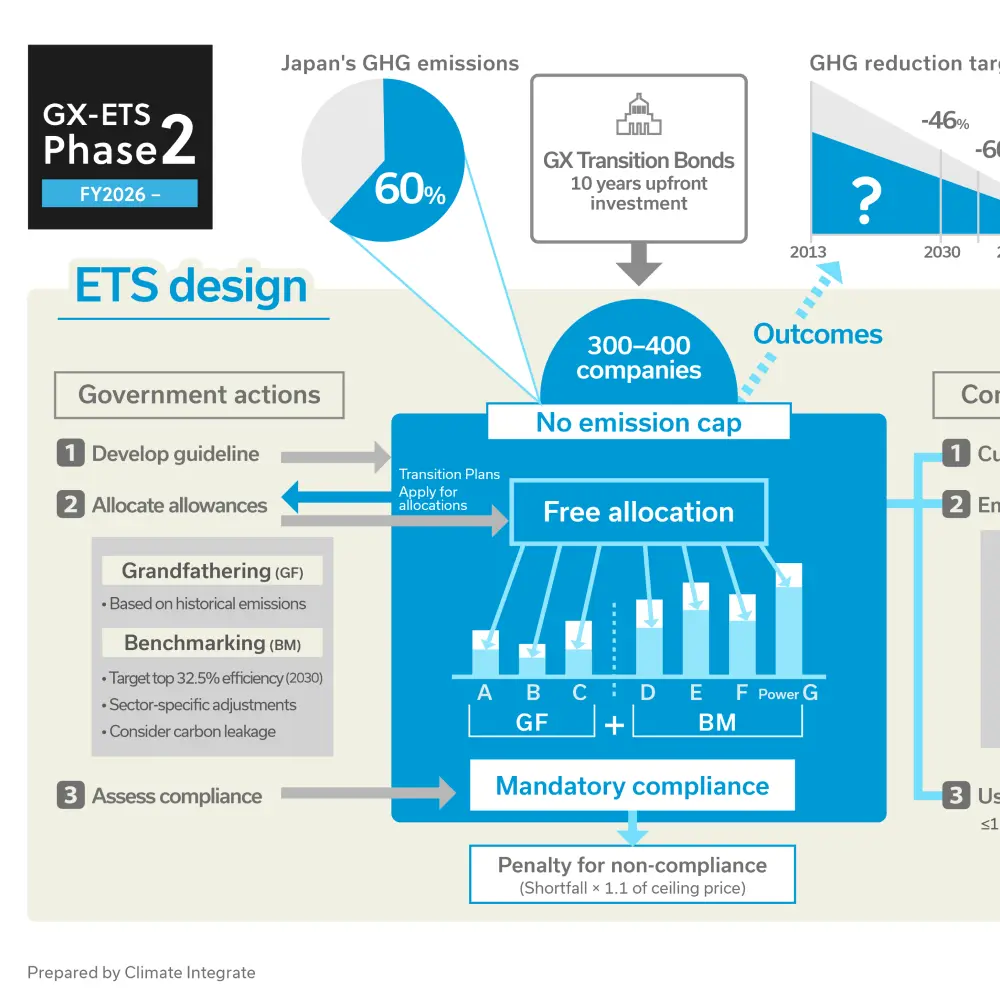
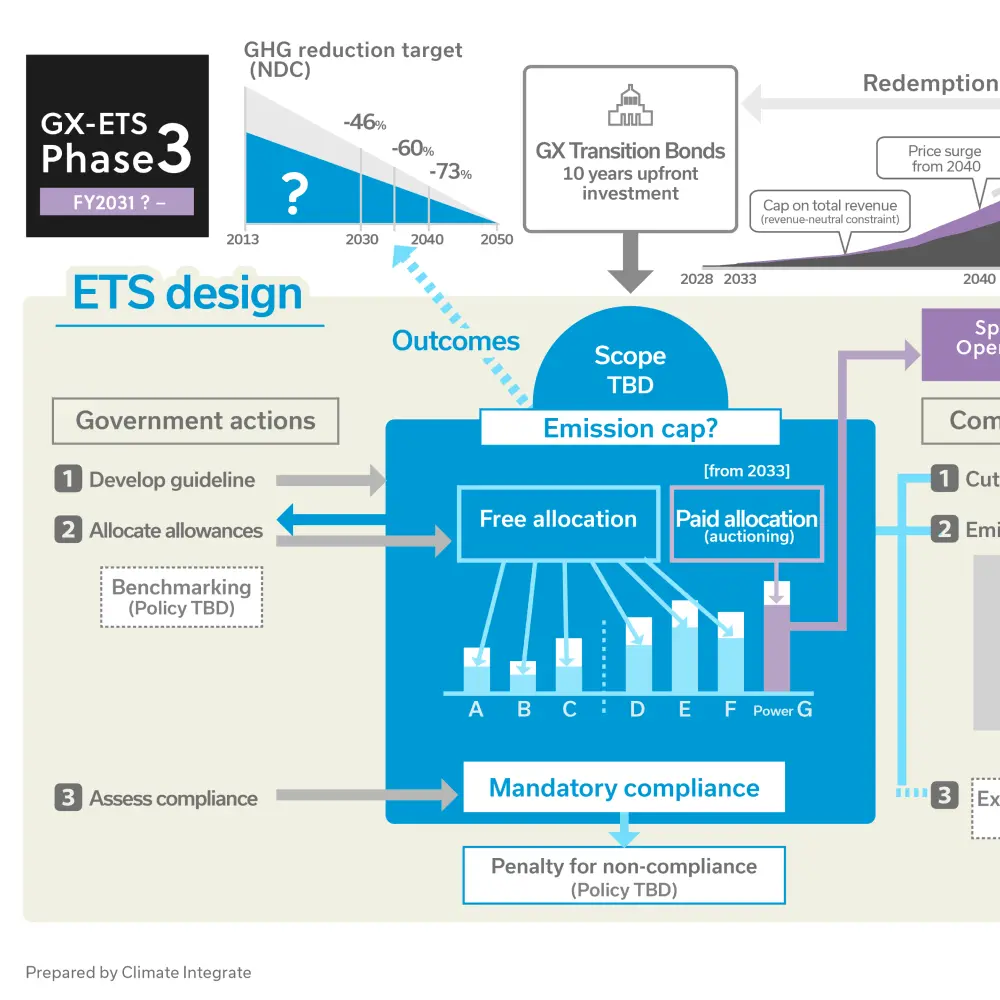

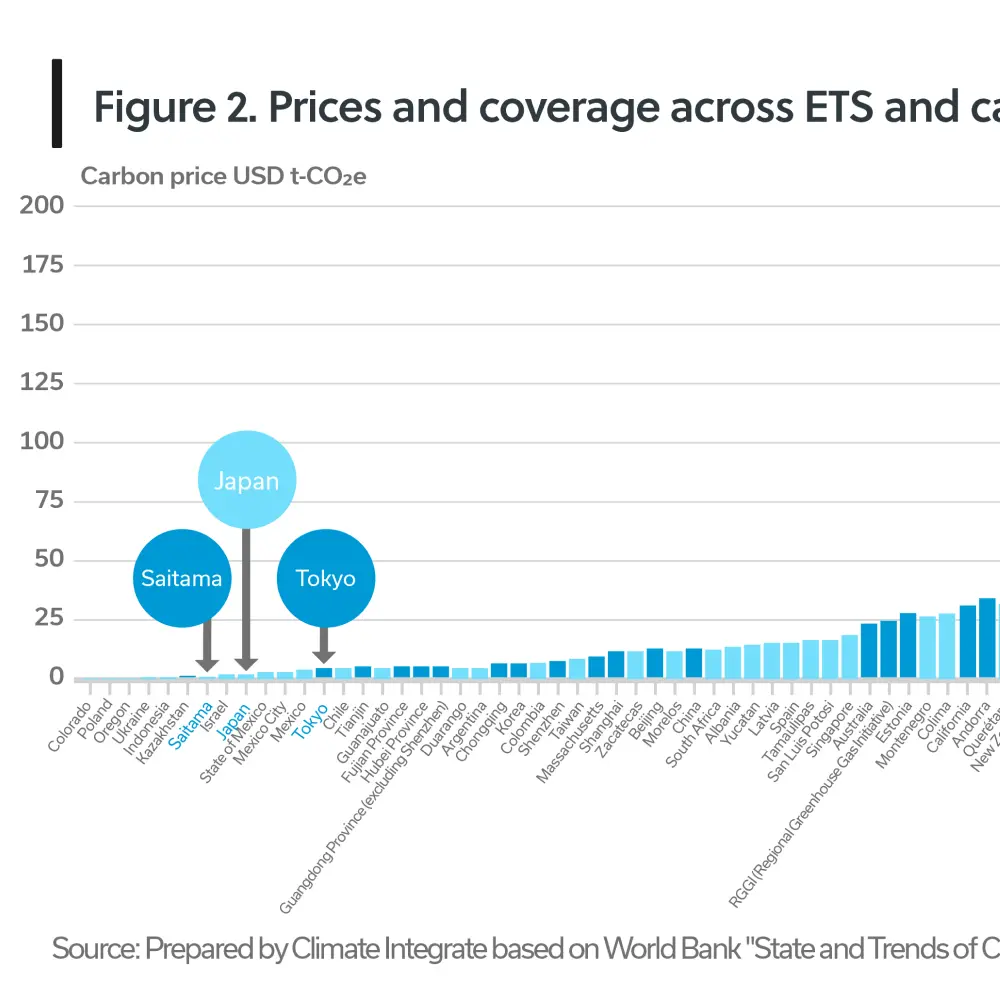
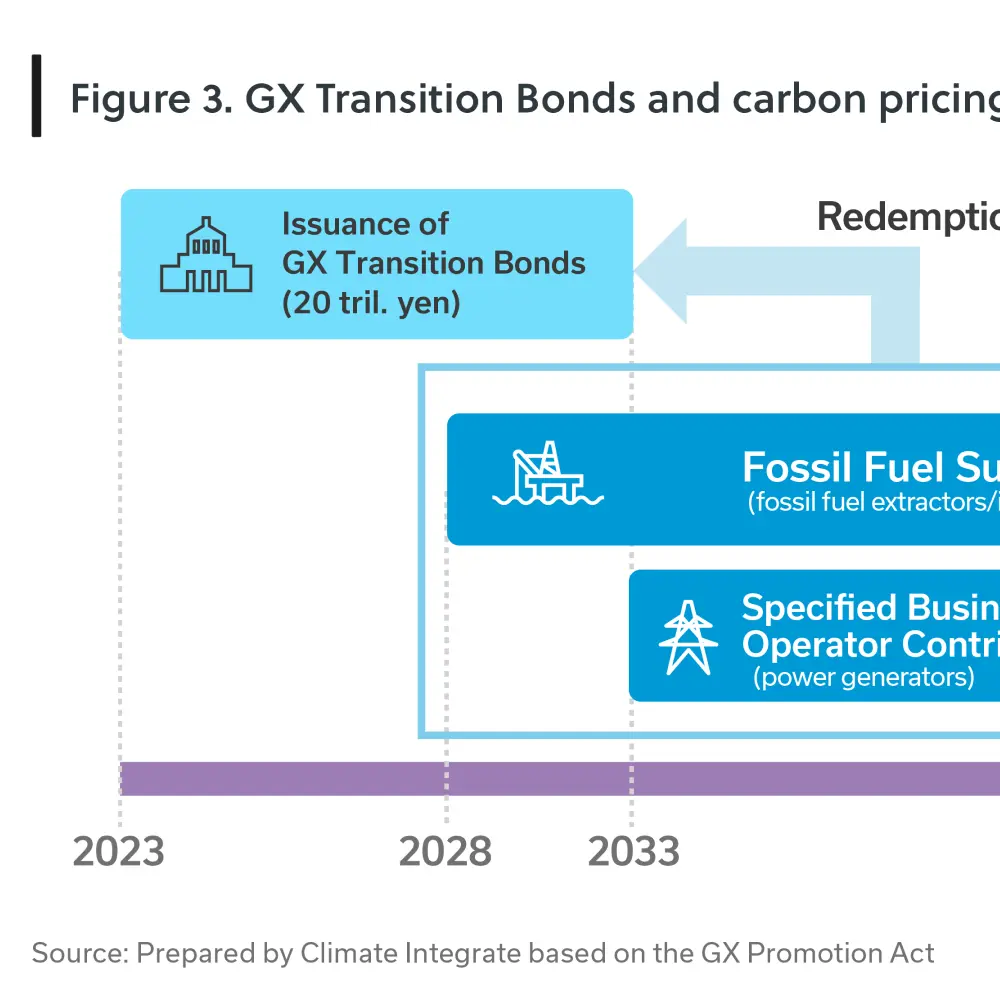
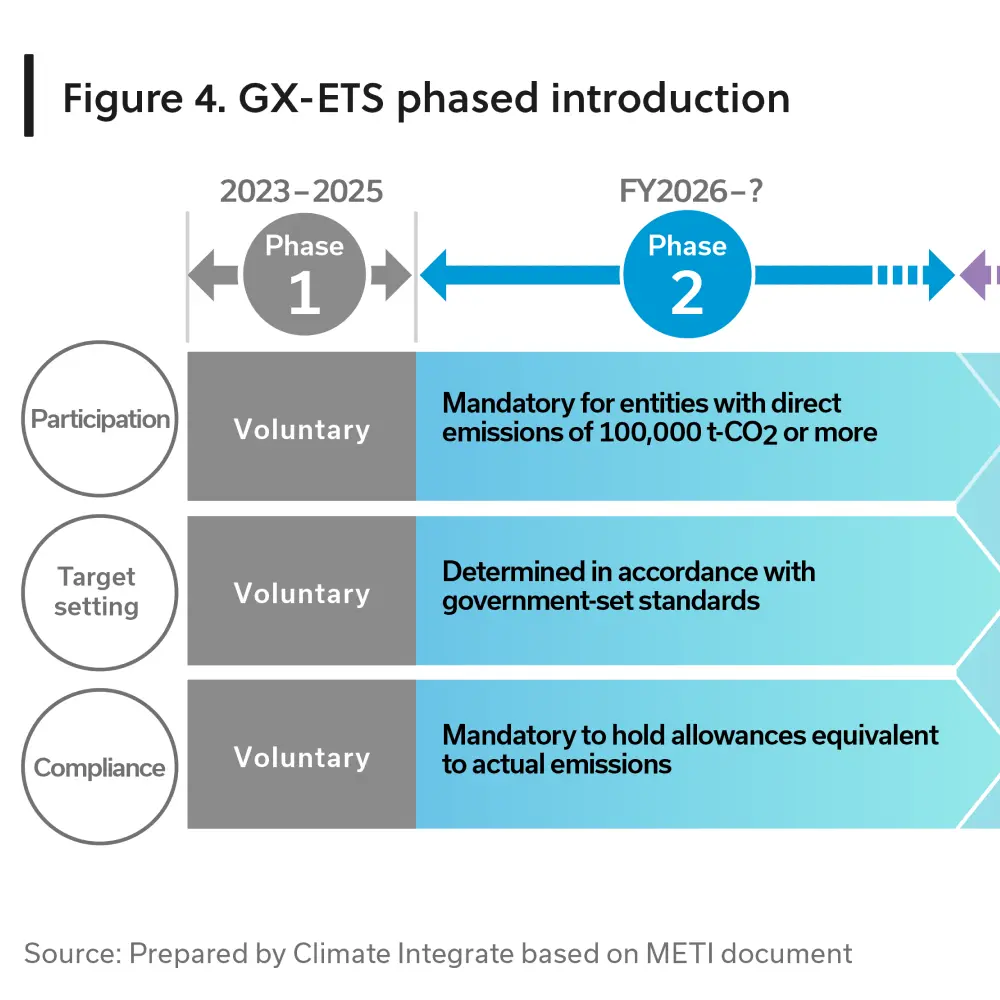







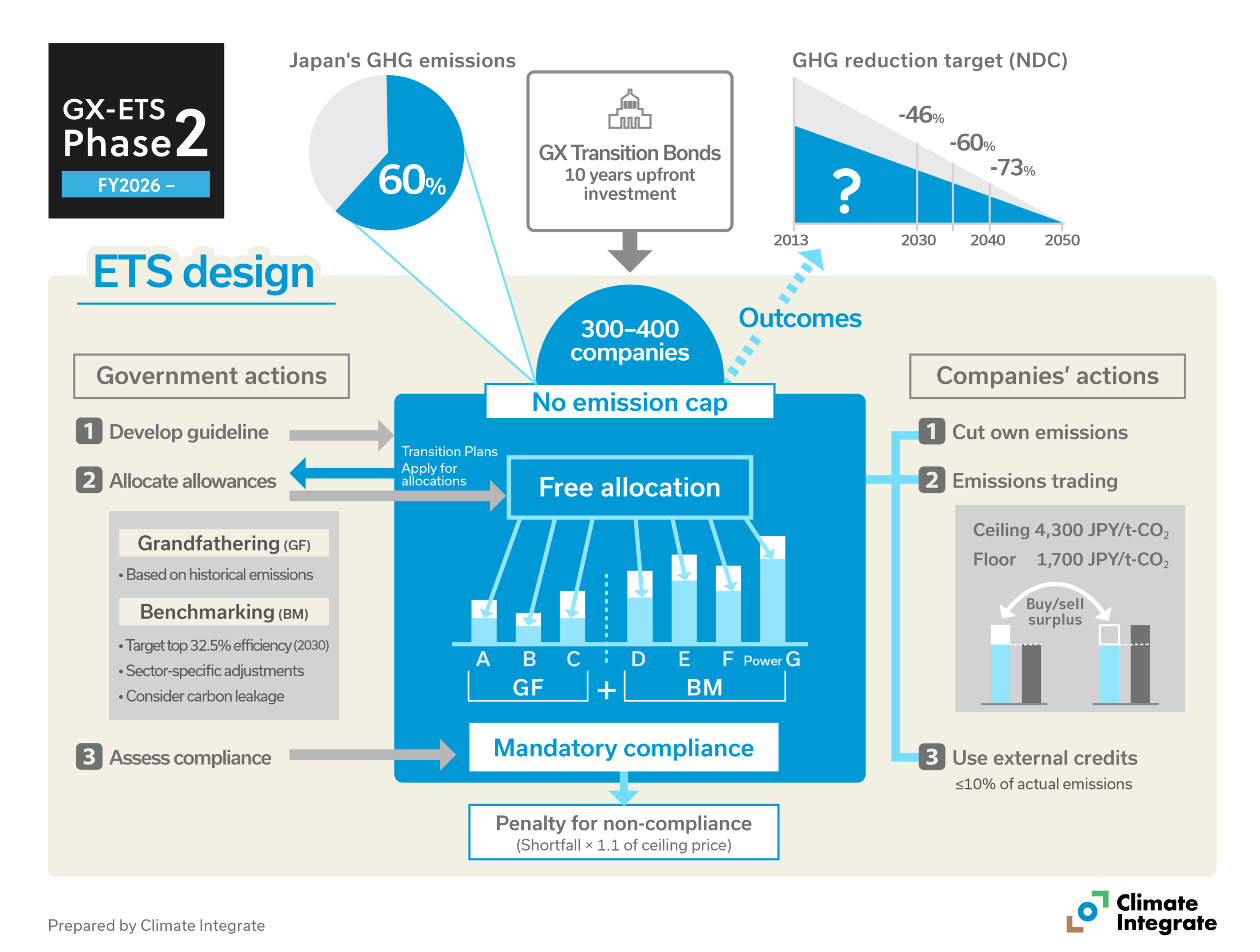
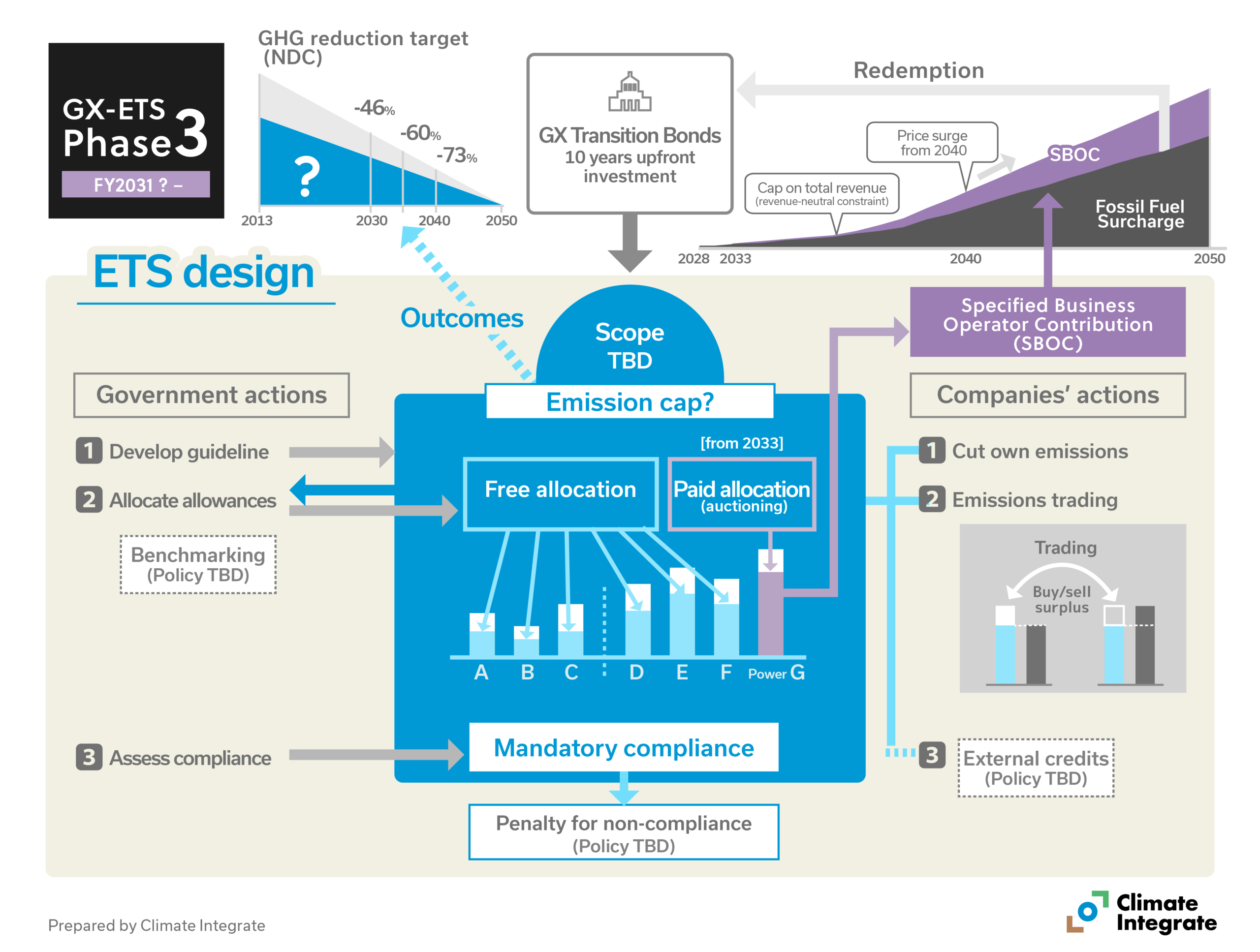

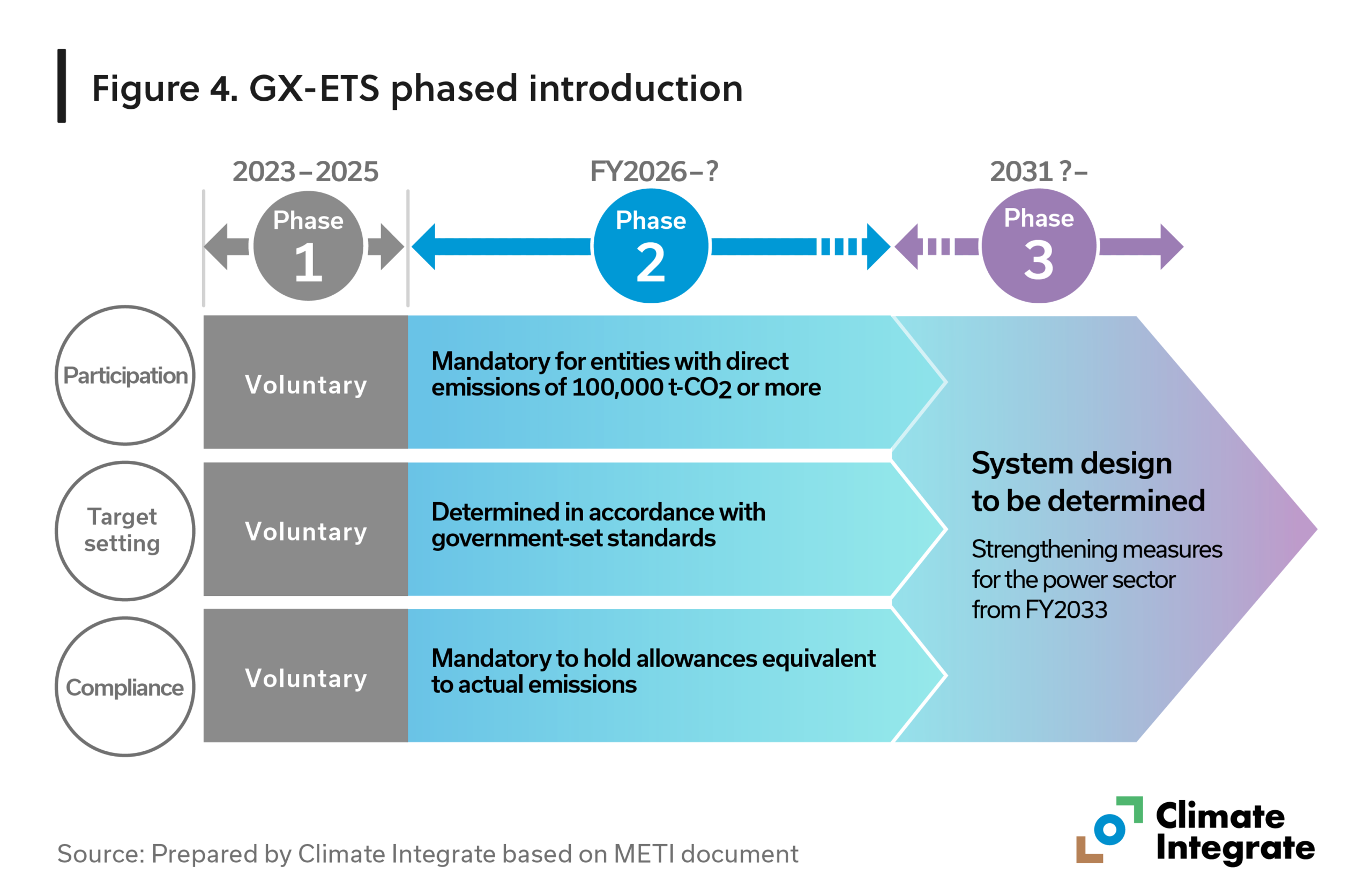





From April 2026, Japan’s Emissions Trading System (ETS) will move beyond its voluntary phase. Participation of 300 to 400 companies will be mandatory, covering approximately 60% of Japan’s greenhouse gas (GHG) emissions. The system will become a core policy instrument for achieving carbon neutrality in Japan.
This report outlines the framework of Japan’s Emissions Trading System (GX-ETS) and analyzes the outlook for carbon prices.
Contents
Introduction
Key points of this report
1. Background to the GX-ETS
- History of deliberations
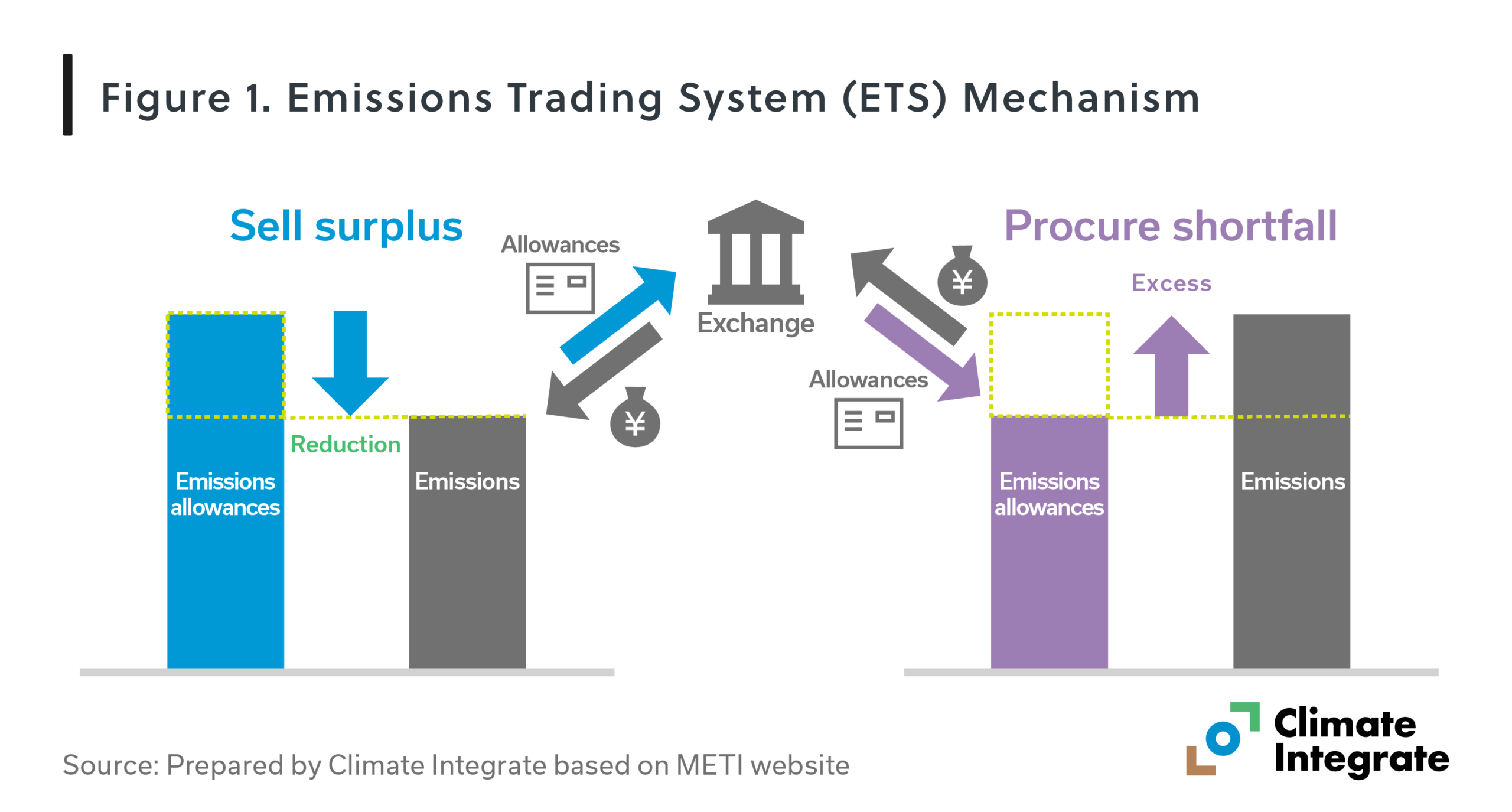
Box 1. What is an emissions trading system (ETS)?
Box 2. Existing related systems - Design process and establishment of the GX-ETS
- The three phases of GX-ETS
2. Phase 1
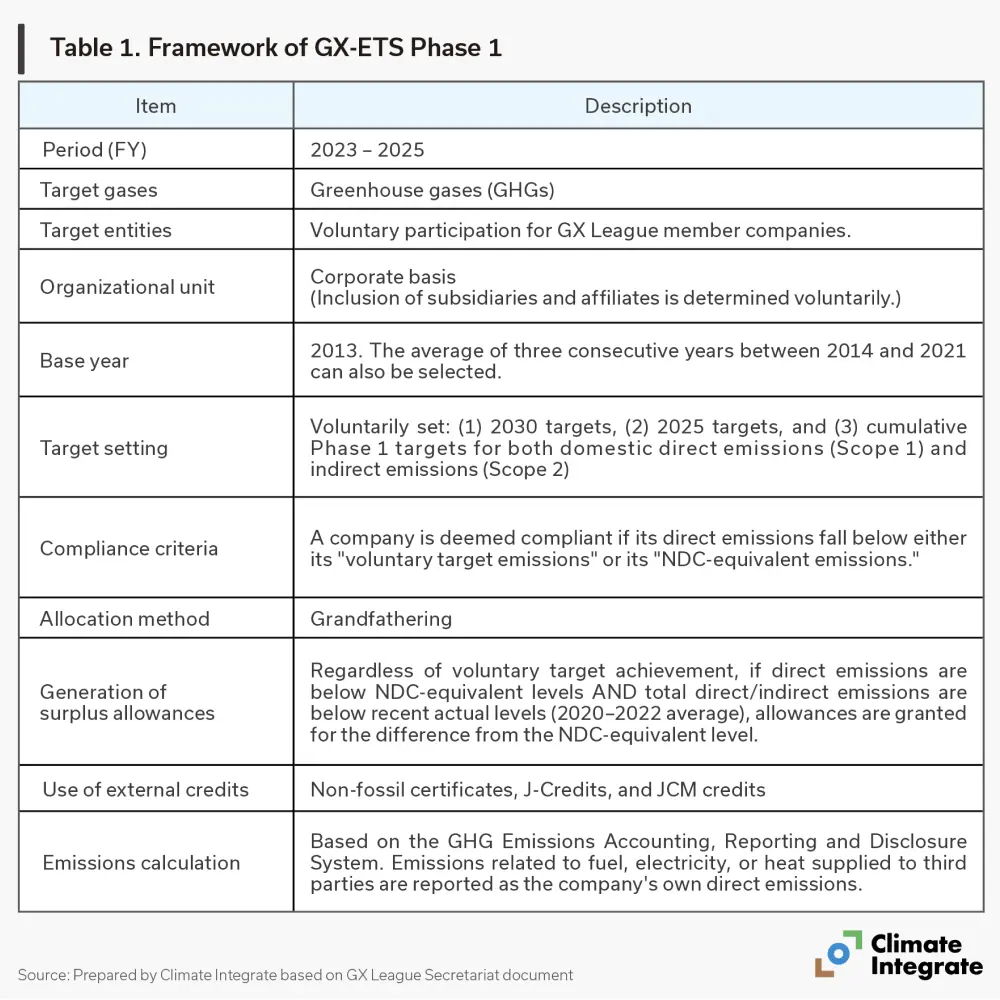
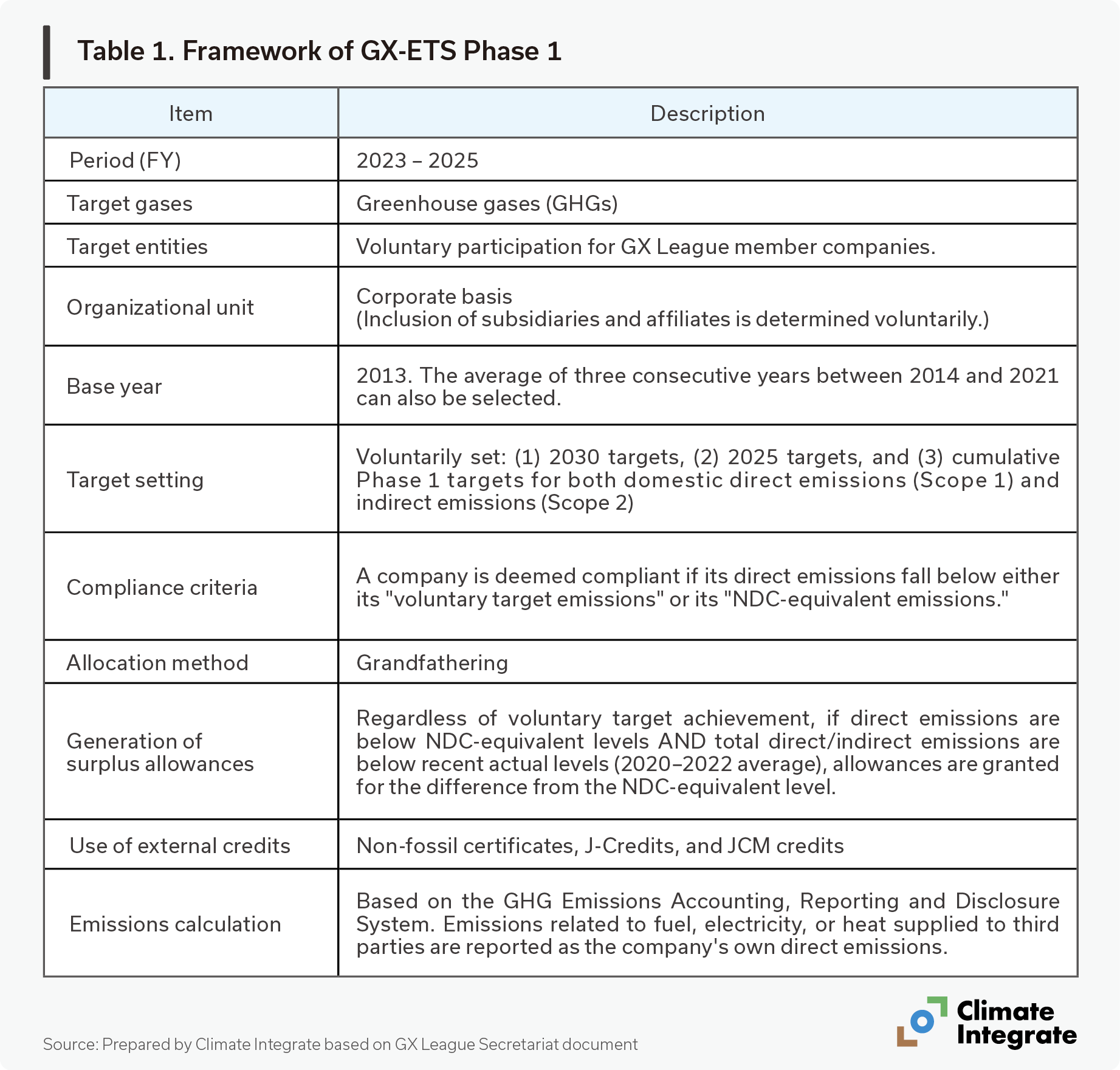
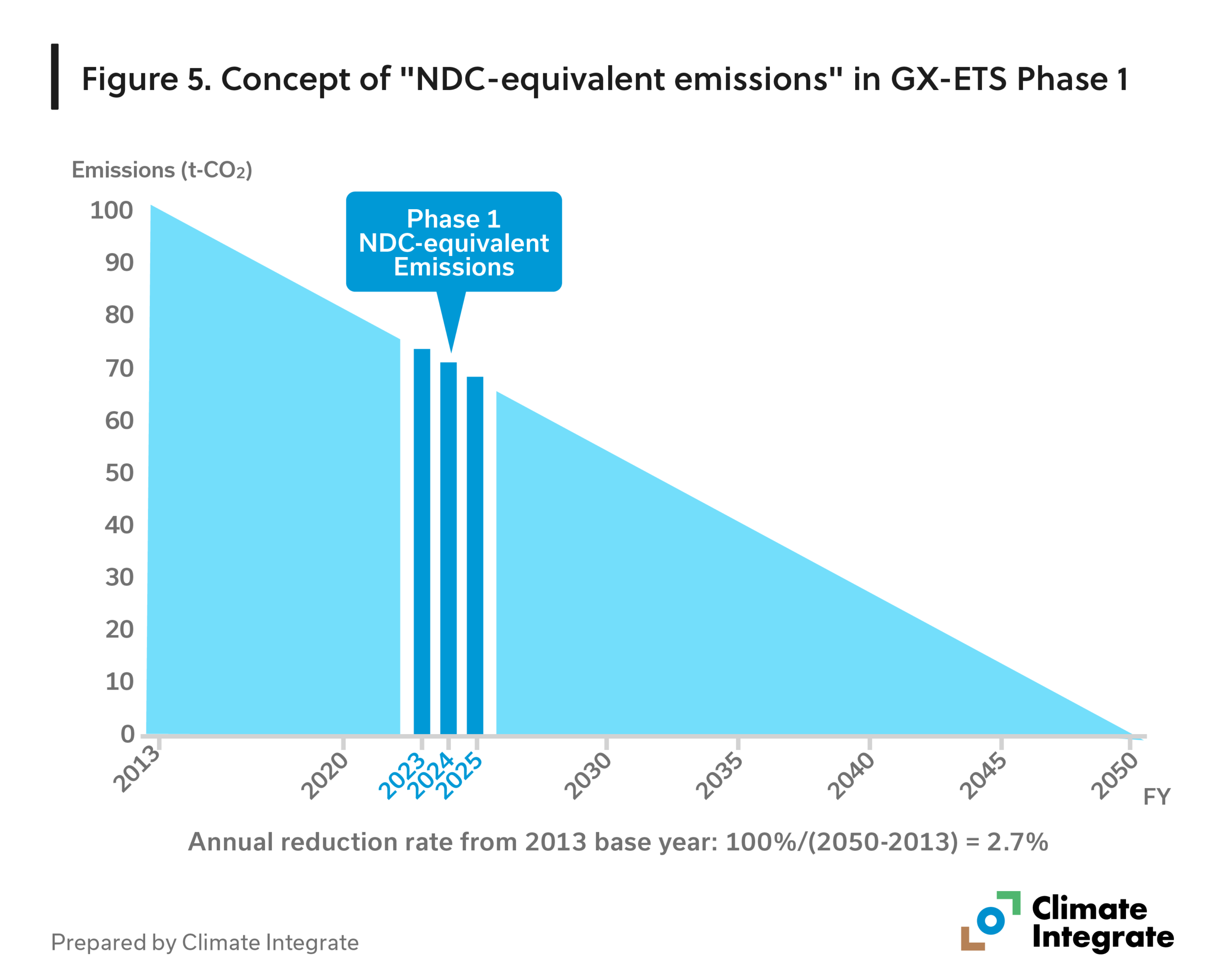
- Phase 1 design
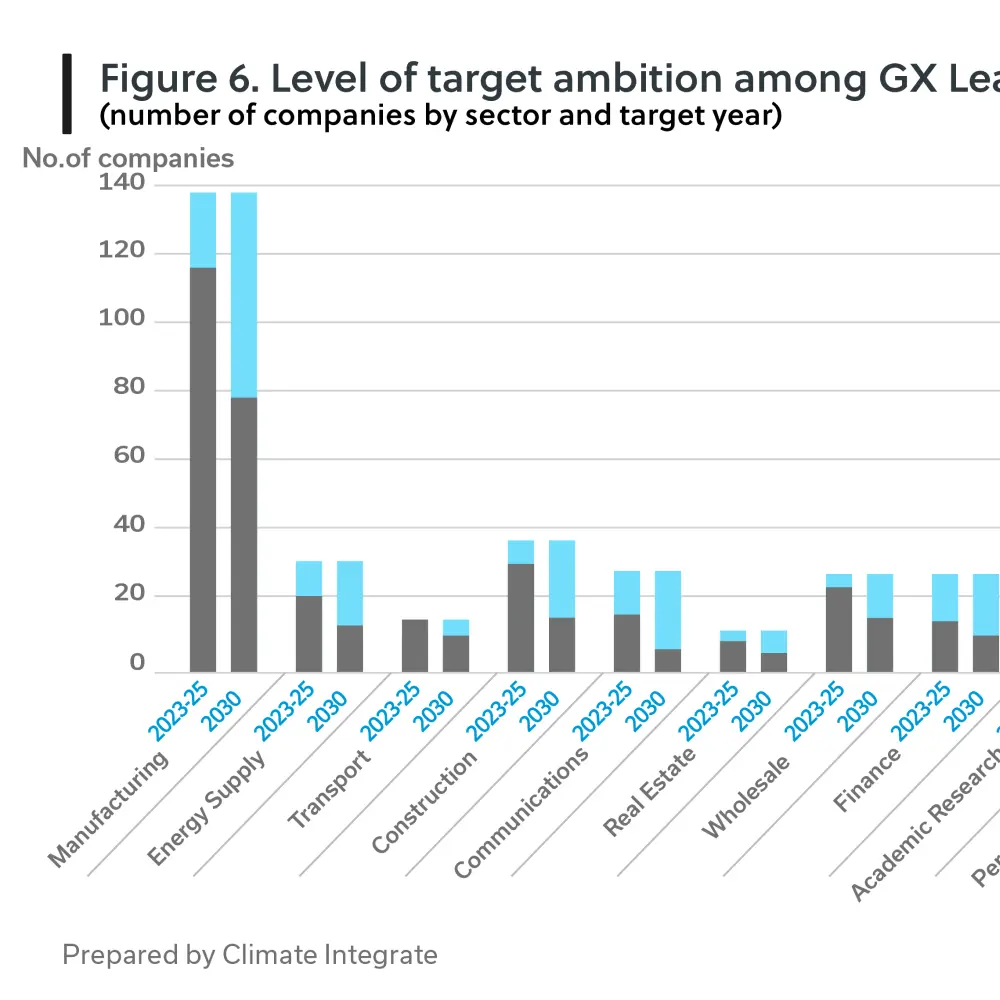
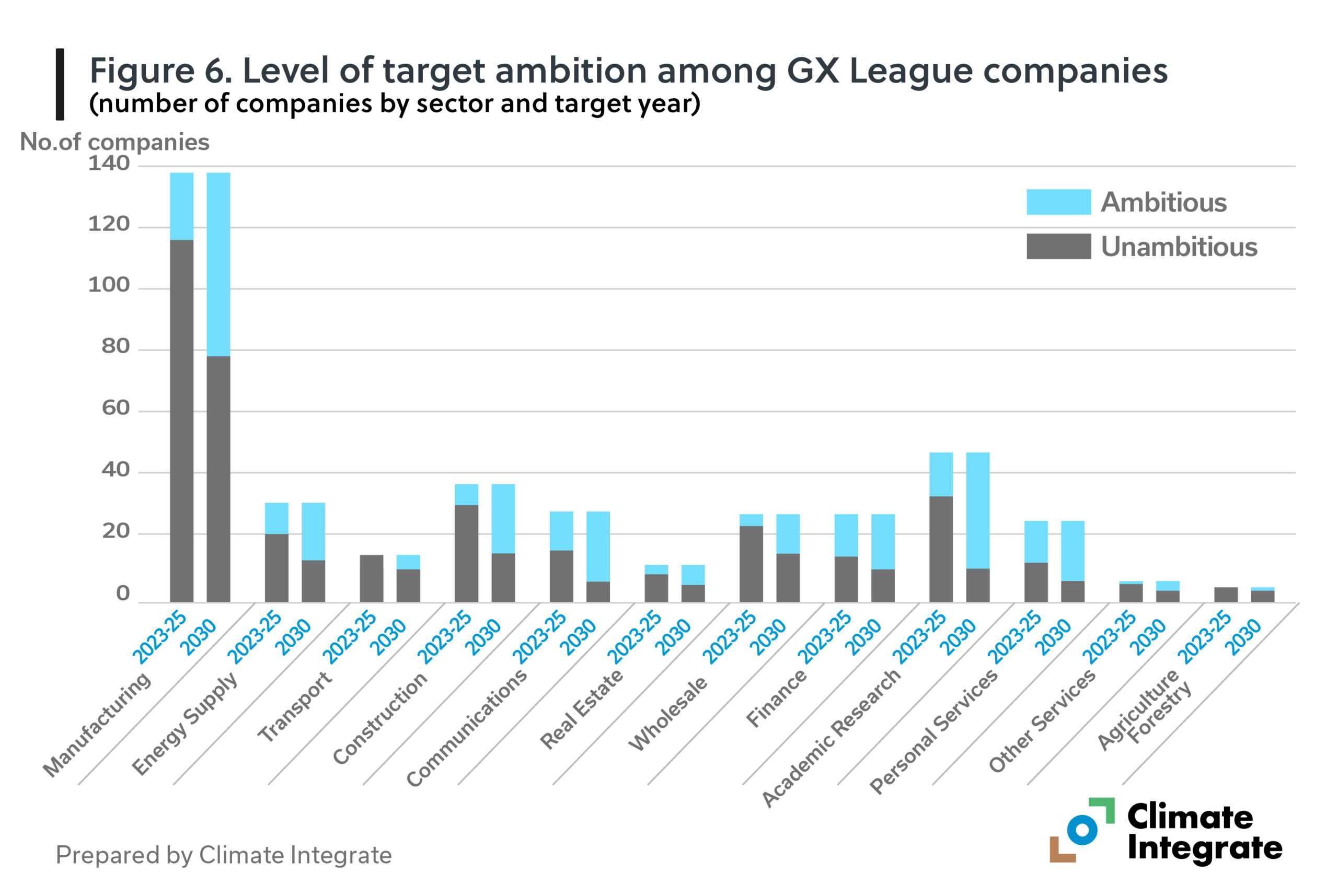
Box 3. Direct versus indirect emissions - Preliminary evaluation of Phase 1
3. Phase 2
- Phase 2 design
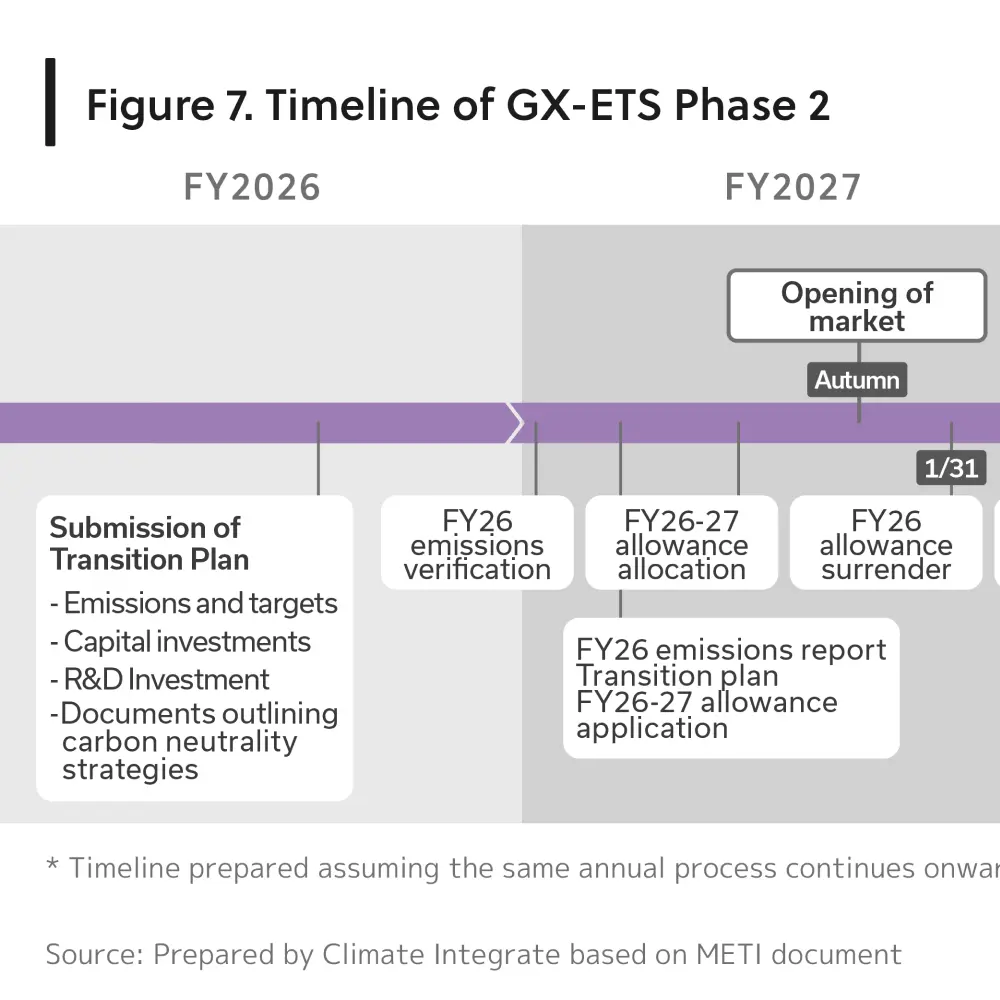
- Phase 2 timeline
- Benchmark-setting methodologies
Box 4. 2030 reduction outlook for the power sector (case study)
4. Phase 3
- Phase 3 design
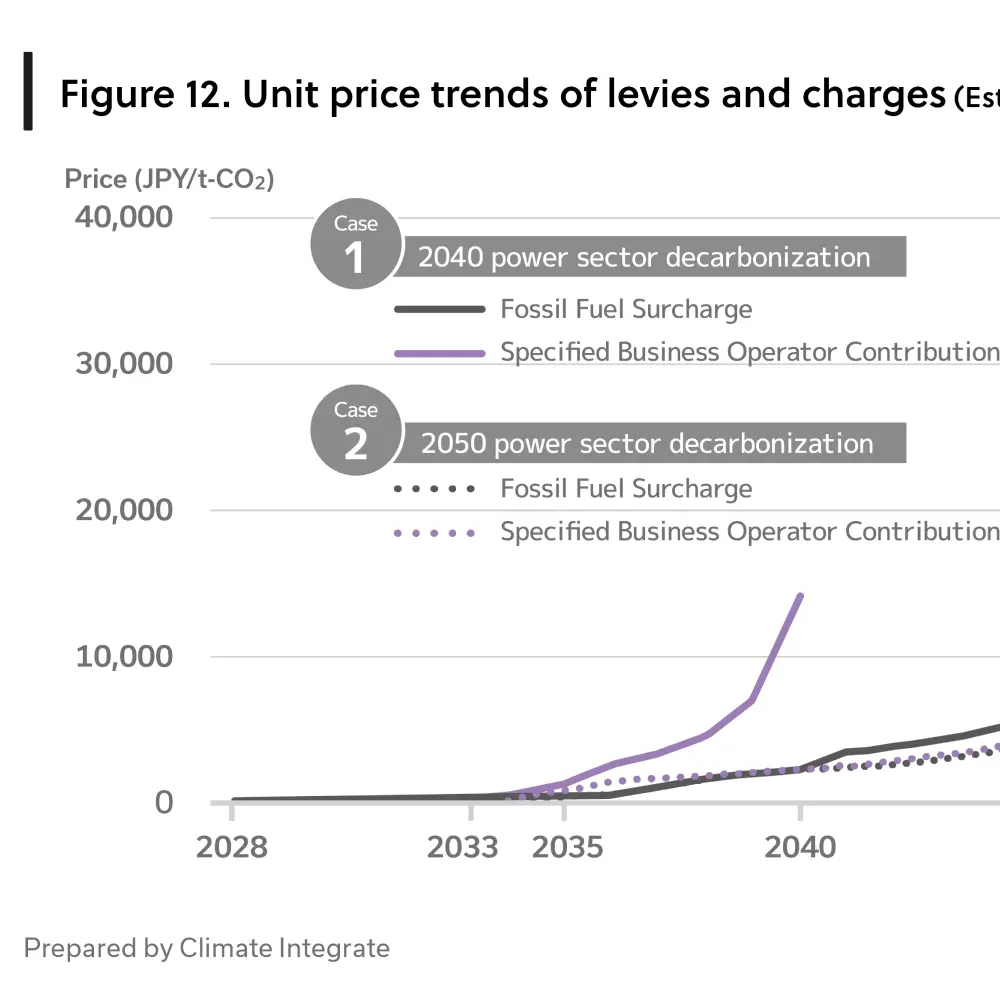
- Outlook for carbon pricing levels
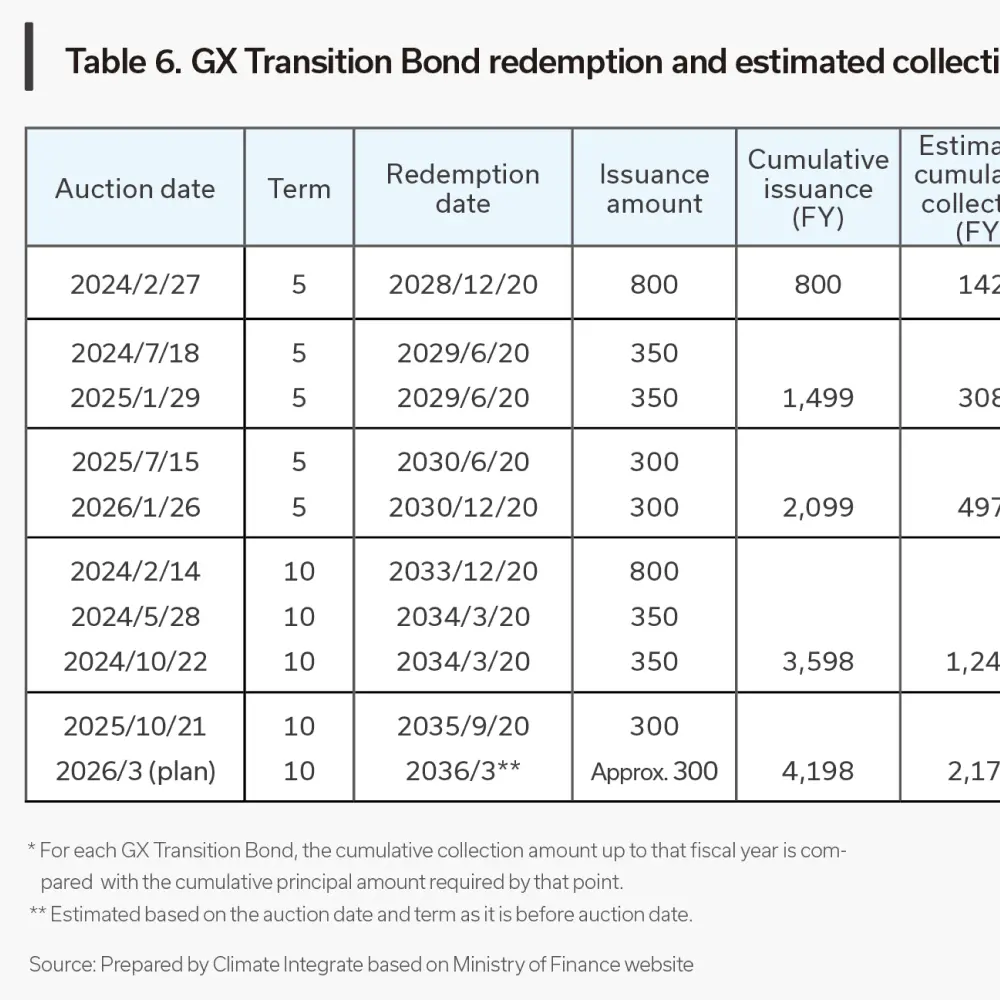
Box 5. Redemption schedule and financing for GX Transition Bonds
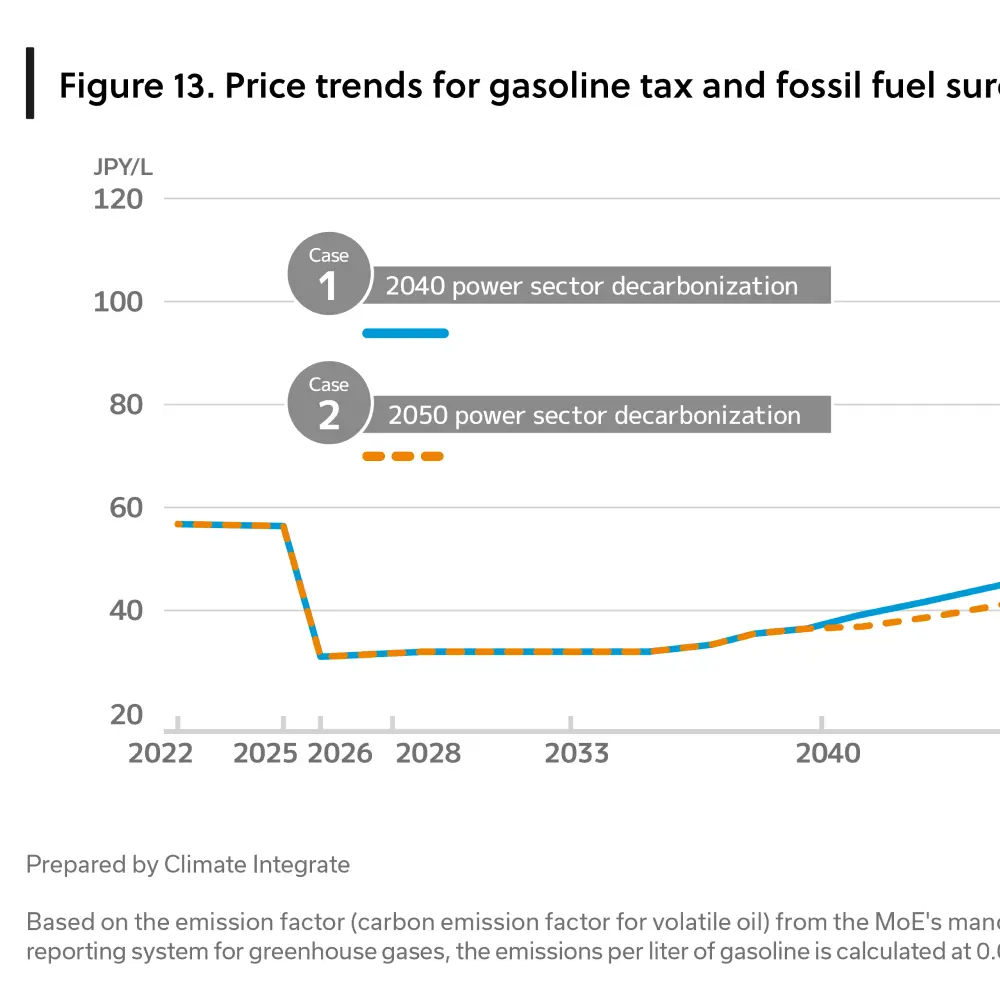
Box 6. Impacts on gasoline prices
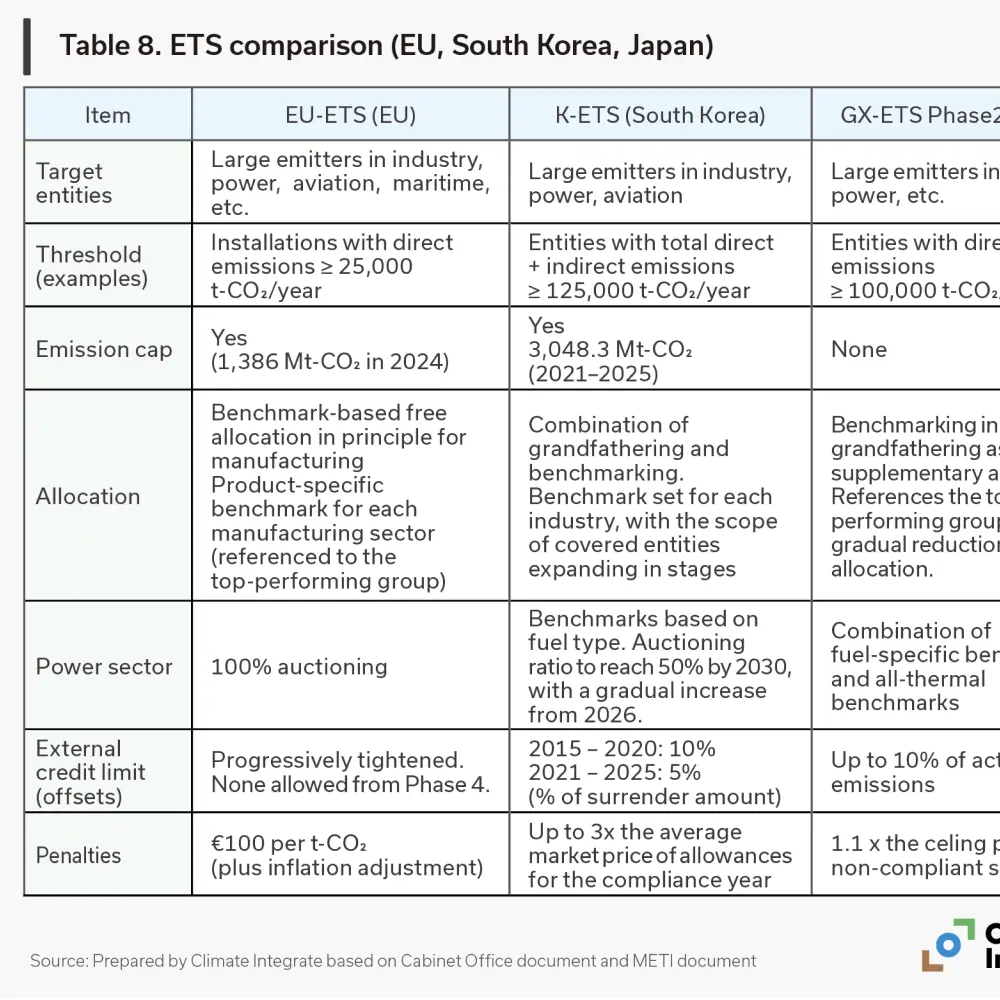
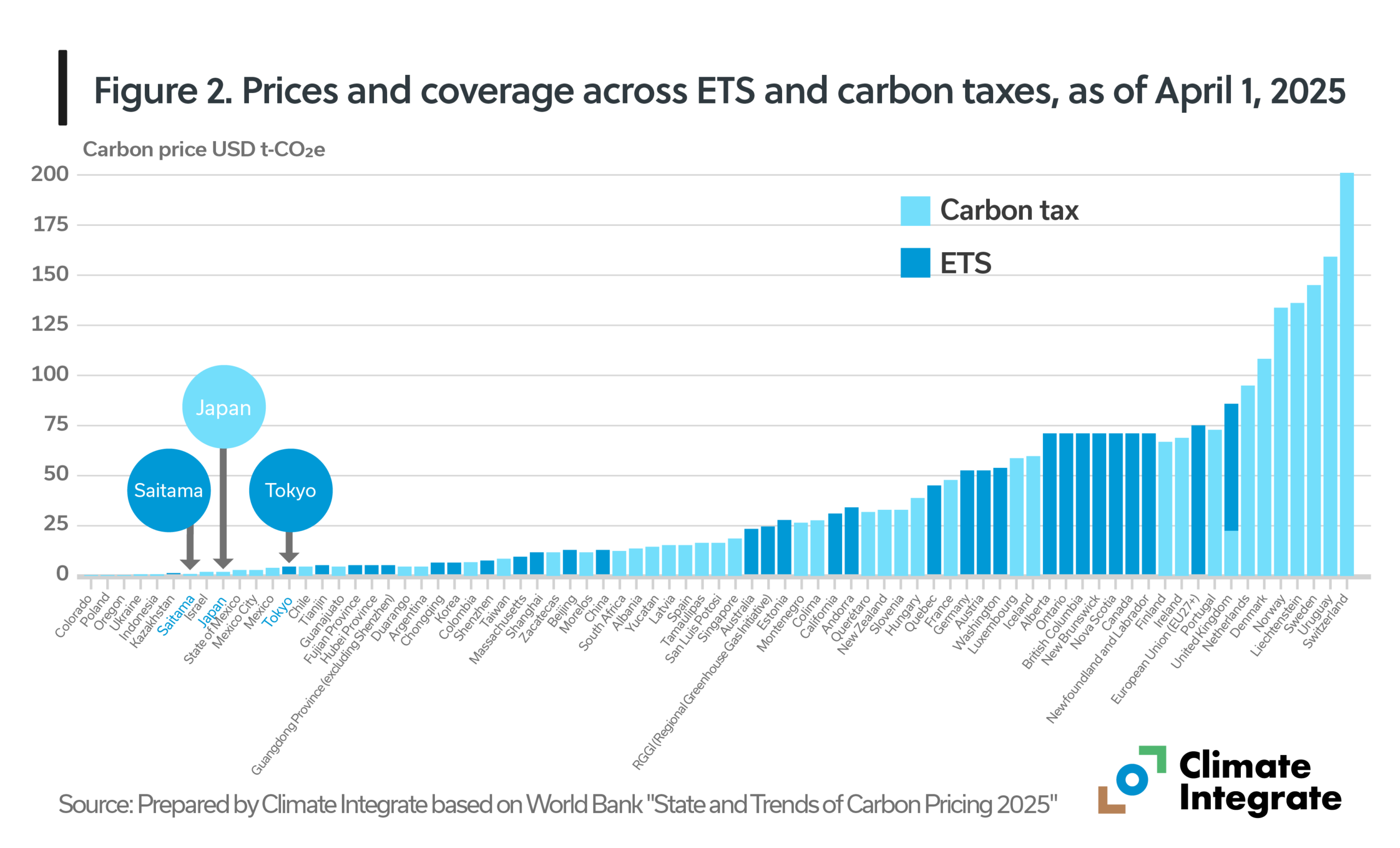
5. Comparison with international systems
6. Key features of the GX-ETS and future outlook
- Key features of the GX-ETS
- Future outlook
Conclusion
