


Climate Change: Where We Are and Where We’re Headed — Messages from the Latest Science
※ Figure fig.1-20 may be used freely for nonprofit purposes. However, please do not modify or crop it; use it with logos and attribution intact.
To Limit Warming to 1.5°C
This article presents the latest scientific findings on climate change from the IPCC Sixth Assessment Report, published in 2021–2022.
1. How Much Has the World Warmed, and What Lies Ahead?
Climate Change Is Already Affecting Communities and Ecosystems Worldwide
Since the Industrial Revolution, human activities have emitted large amounts of greenhouse gases (GHGs), including carbon dioxide (CO2), warming the atmosphere, oceans, and land, and driving profound changes in the climate.
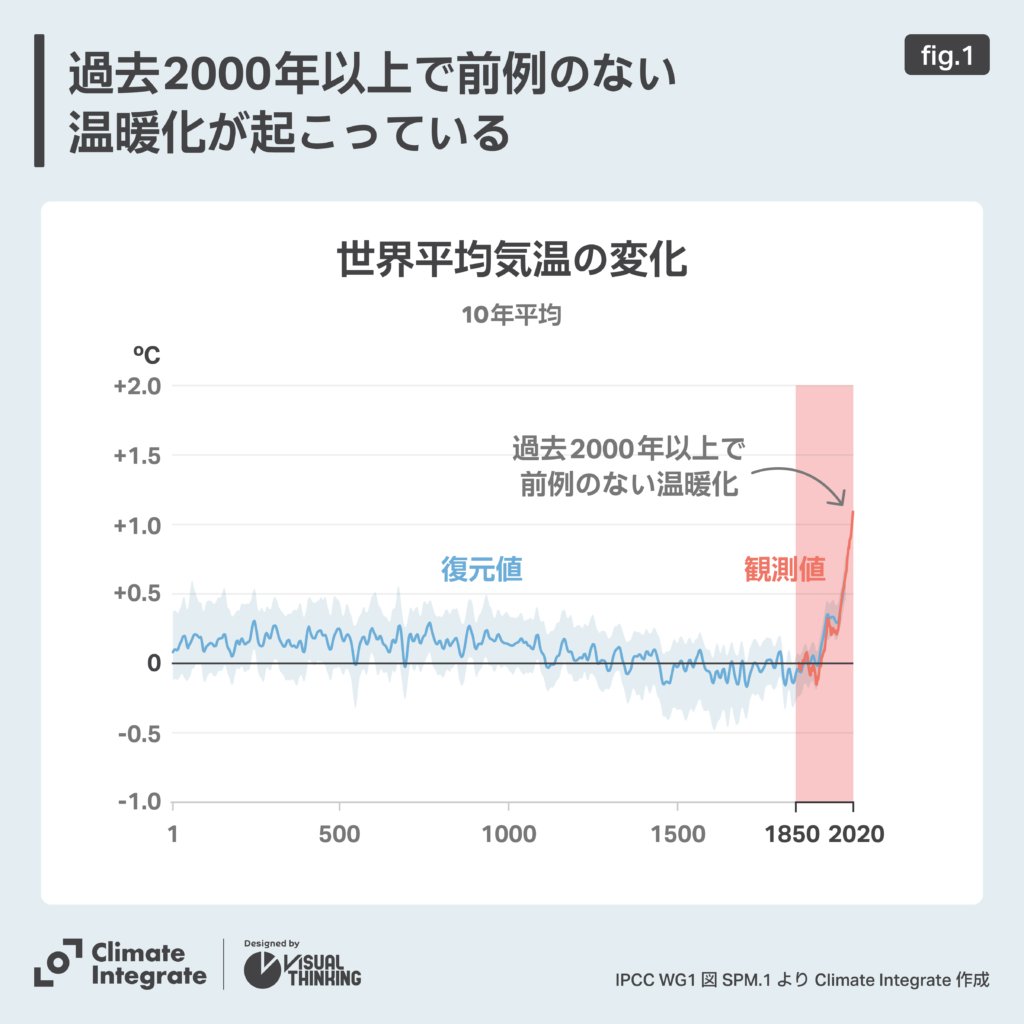
Global average temperature has already risen by 1.09°C from pre-industrial levels (1850–1900) to the present (2011–2020). This warming is unprecedented in at least 2,000 years and has occurred over an exceptionally short period of time.
Human Activities Are the Main Cause of Recent Warming
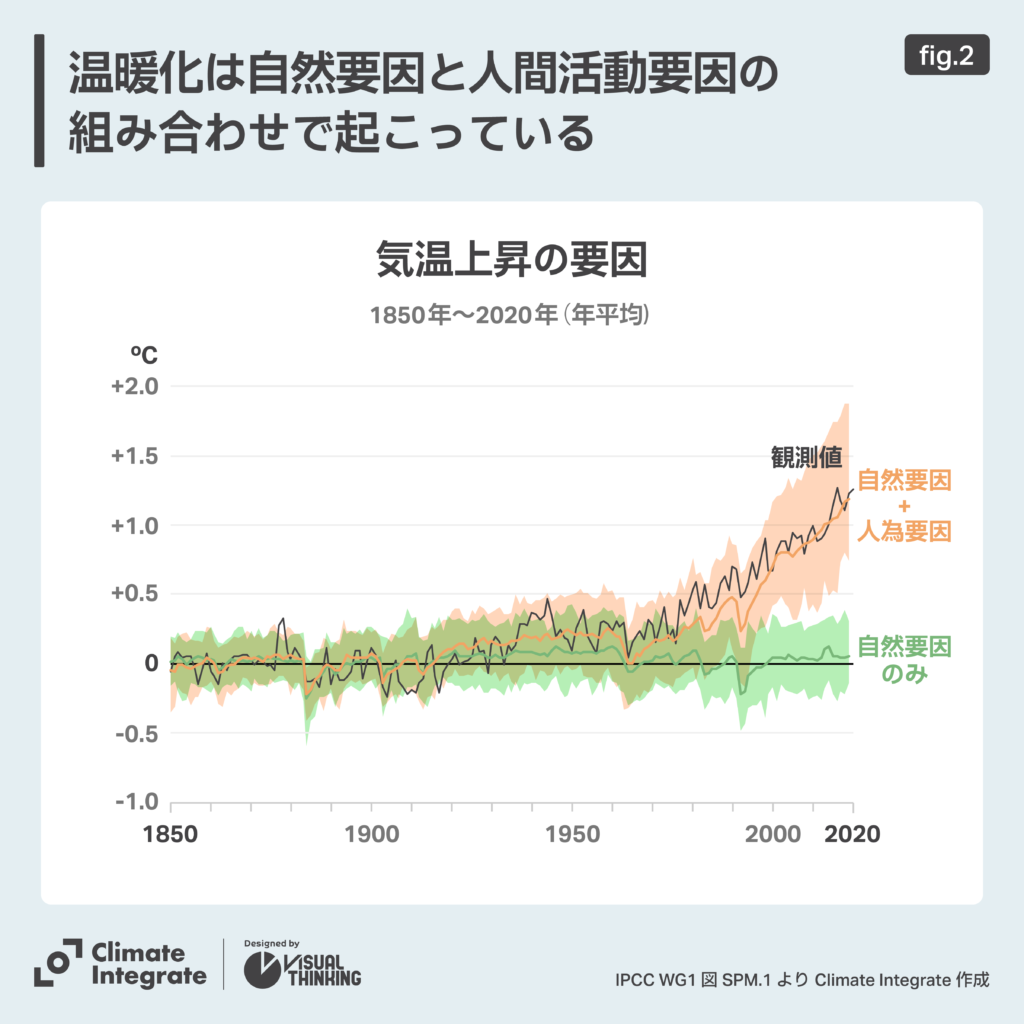
The global warming occurring today cannot be explained by natural factors alone; it can only be accounted for when human influence is included. In other words, there is no doubt that human activities are driving current global warming.
Greenhouse Gas Emissions Continue to Rise
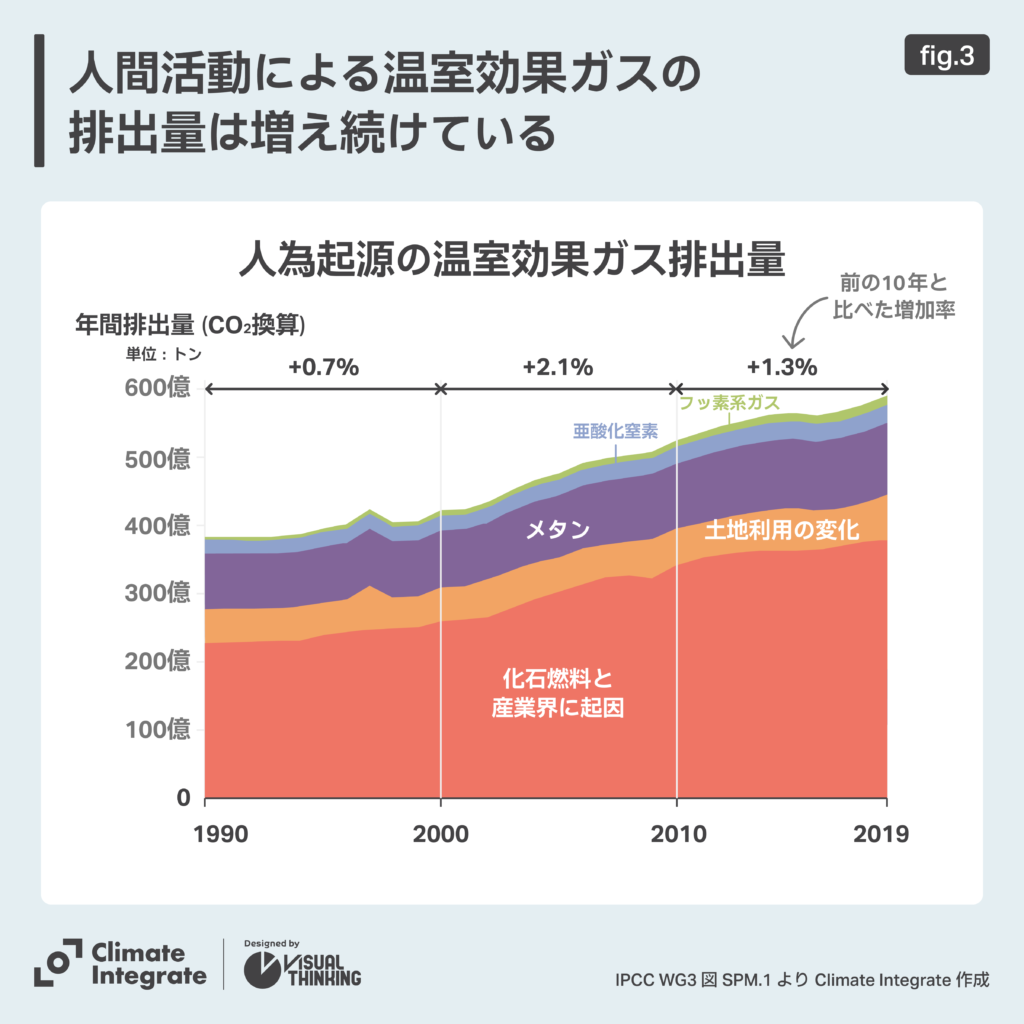
GHG emissions from human activities continue to rise.
Global GHG emissions in 2019 totaled 59 billion tonnes, an increase of 54% compared with 1990 and 12% compared with 2010.
How Much the World Warms Depends on Future Emissions
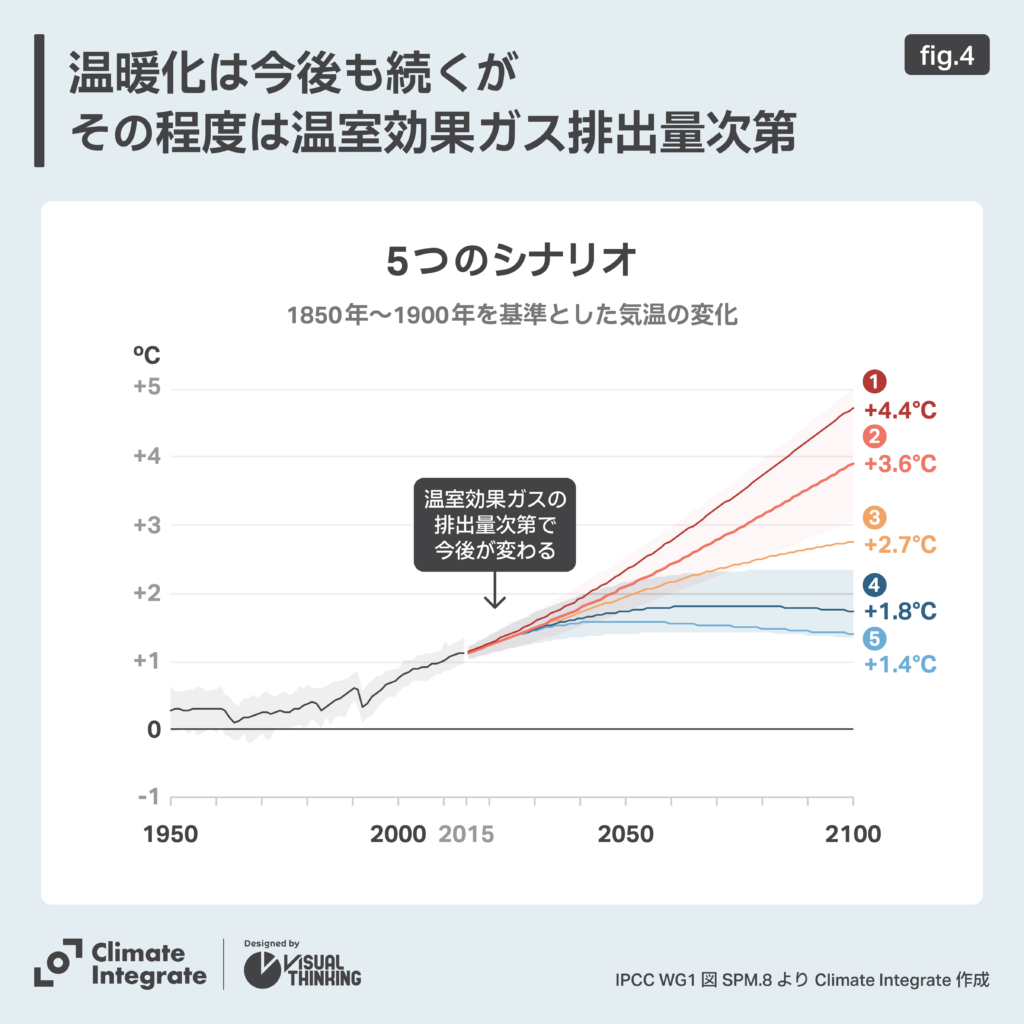
Unfortunately, global temperatures are projected to continue rising until at least mid-century. However, the extent of future warming will depend on future GHG emissions. If large-scale emissions continue, global temperatures will rise significantly.
Among the five future emissions scenarios, the lowest-emissions scenario can limit warming to around 1.5°C. Under higher emissions scenarios, warming exceeds 2°C, reaching 4.4°C in the highest-emissions scenario.
As Warming Increases, Extreme Weather Will Become More Intense and Frequent
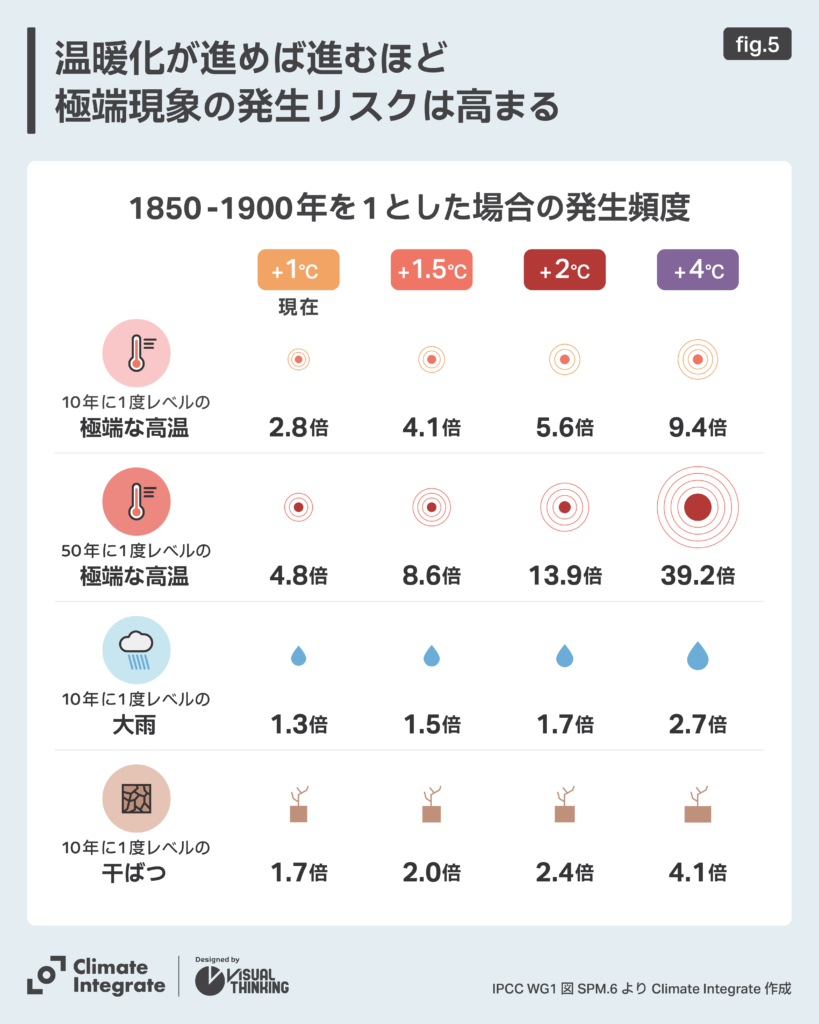
As warming increases, regional temperatures, precipitation patterns, and soil moisture will change significantly, while extreme weather events such as heat waves, floods, and droughts will become more intense and frequent.
Impacts are already being felt around the world at about 1°C of warming. As warming reaches 1.5°C, 2°C, and 4°C, the risks associated with extreme heat, heavy rainfall, and drought increase and become more severe.
Changes in Oceans and Ice Sheets Unfold Over Centuries
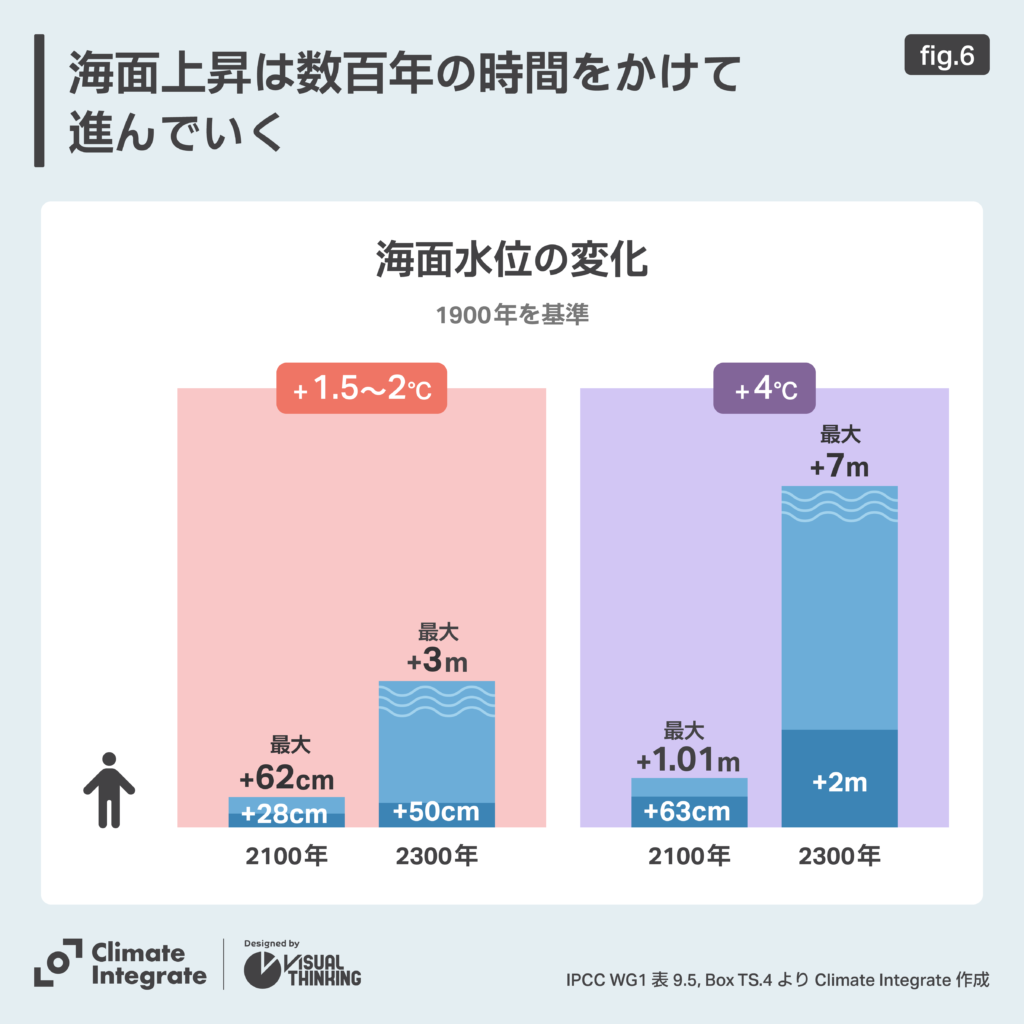
Changes in oceans and ice sheets unfold over timescales of 100 to 1,000 years and will continue for a very long time. The melting of mountain and polar glaciers and permafrost, the loss of the Greenland ice sheet, and sea-level rise will continue for centuries or longer.
By 2300, sea level could rise by 0.5 to 3 meters under a low-emissions scenario, or by 2 to 7 meters under a high-emissions scenario. Limiting warming as much as possible is essential to minimizing impacts and damage.
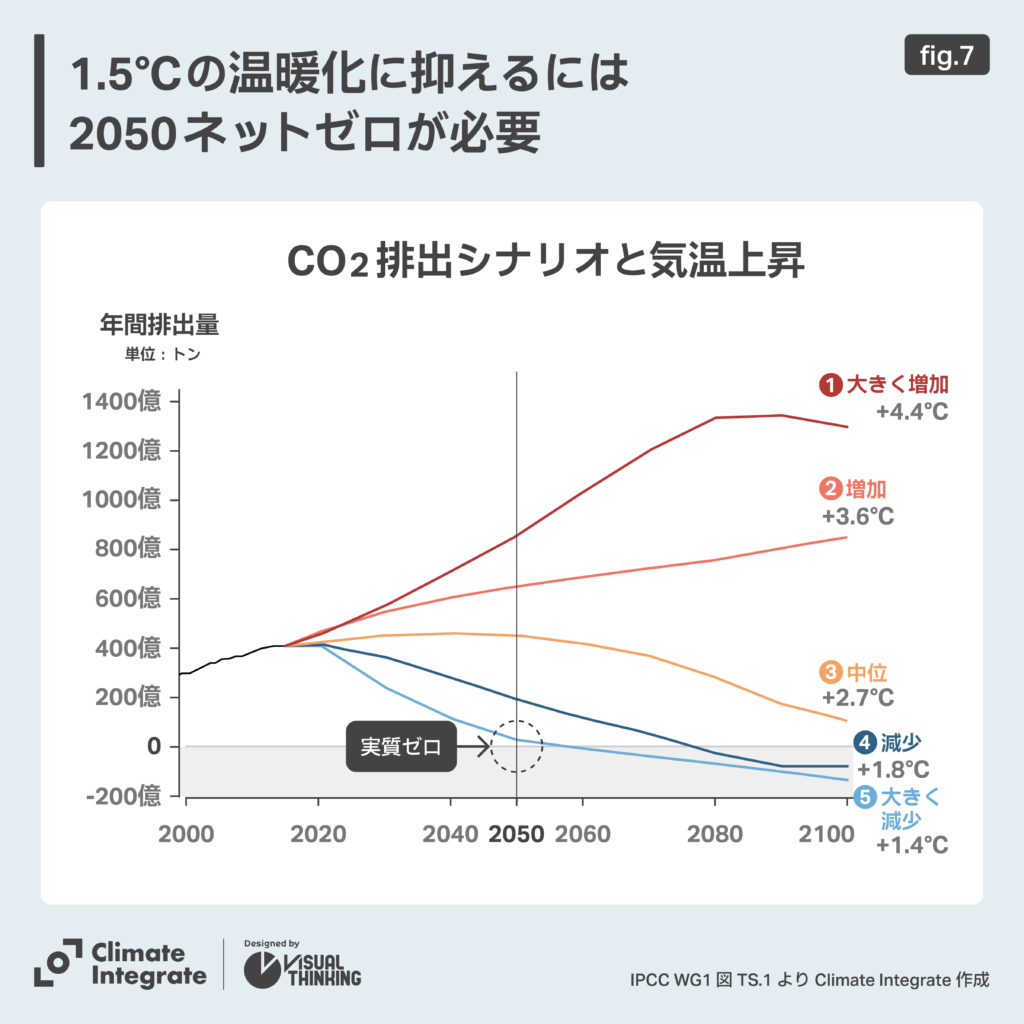
Limiting Warming to 1.5°C Requires Net Zero by 2050
The level of global warming is broadly proportional to cumulative CO2 emissions.
To limit temperature rise to a given level, cumulative CO2 emissions must remain within a finite carbon budget. To limit warming to 1.5°C, the remaining carbon budget is about 300–400 billion tonnes of CO2, corresponding to a 87-67% chance of staying within 1.5°C.
Currently, the world emits about 35 billion tonnes of CO2 each year, so at this rate the remaining carbon budget would be exhausted within about 10 years. To limit warming to 1.5°C, rapid and deep emissions reductions are needed, with global CO2 emissions halved by 2030 and reduced to net zero by 2050.
2. How Can We Adapt to the Impacts of Climate Change?
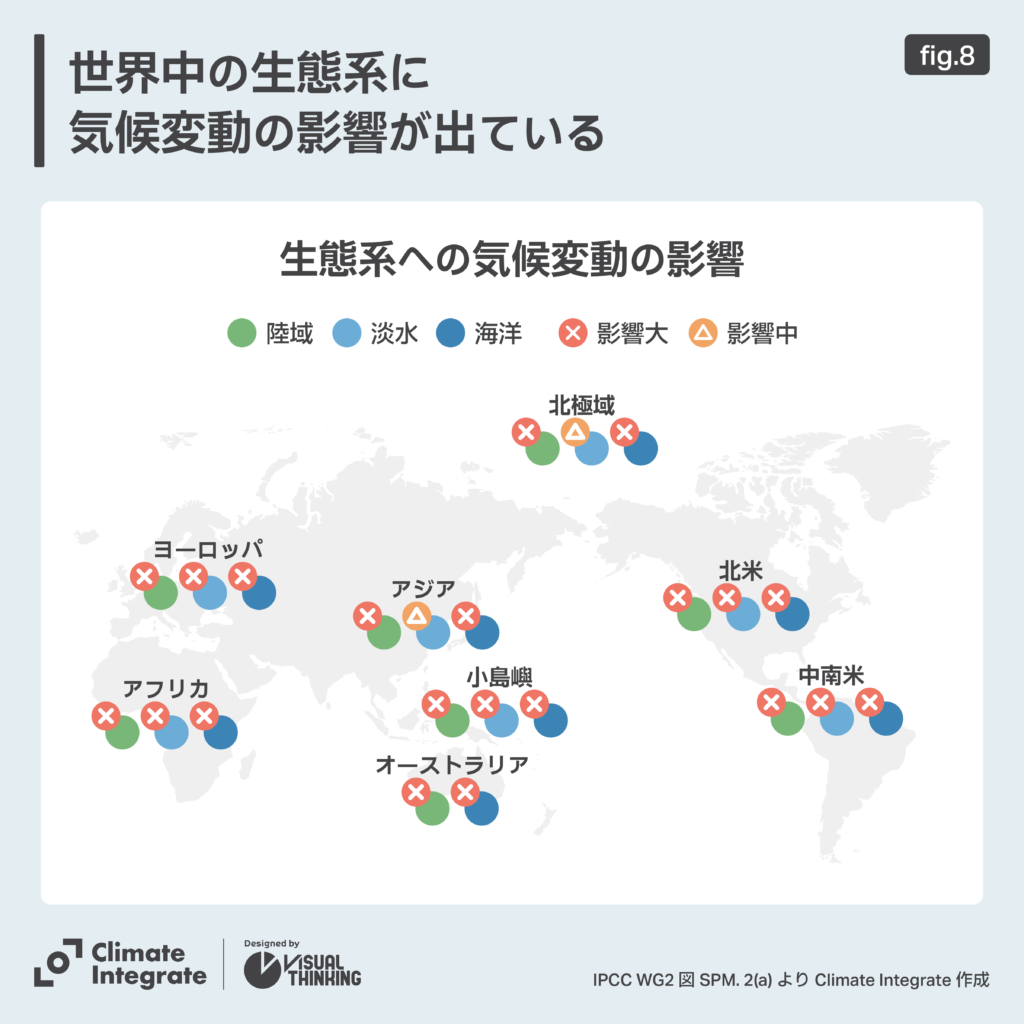
Extreme Heat Is Driving the Loss of Hundreds of Species
Climate change is causing severe damage and irreversible losses in terrestrial, freshwater, coastal, and marine ecosystems. The scope and scale of these impacts are greater than previously observed.
For example, about half of the species assessed worldwide have shifted toward higher latitudes, while terrestrial species have also moved to higher elevations. As extreme heat intensifies, hundreds of species are being lost locally, while mass mortality events are occurring on land and in the oceans.
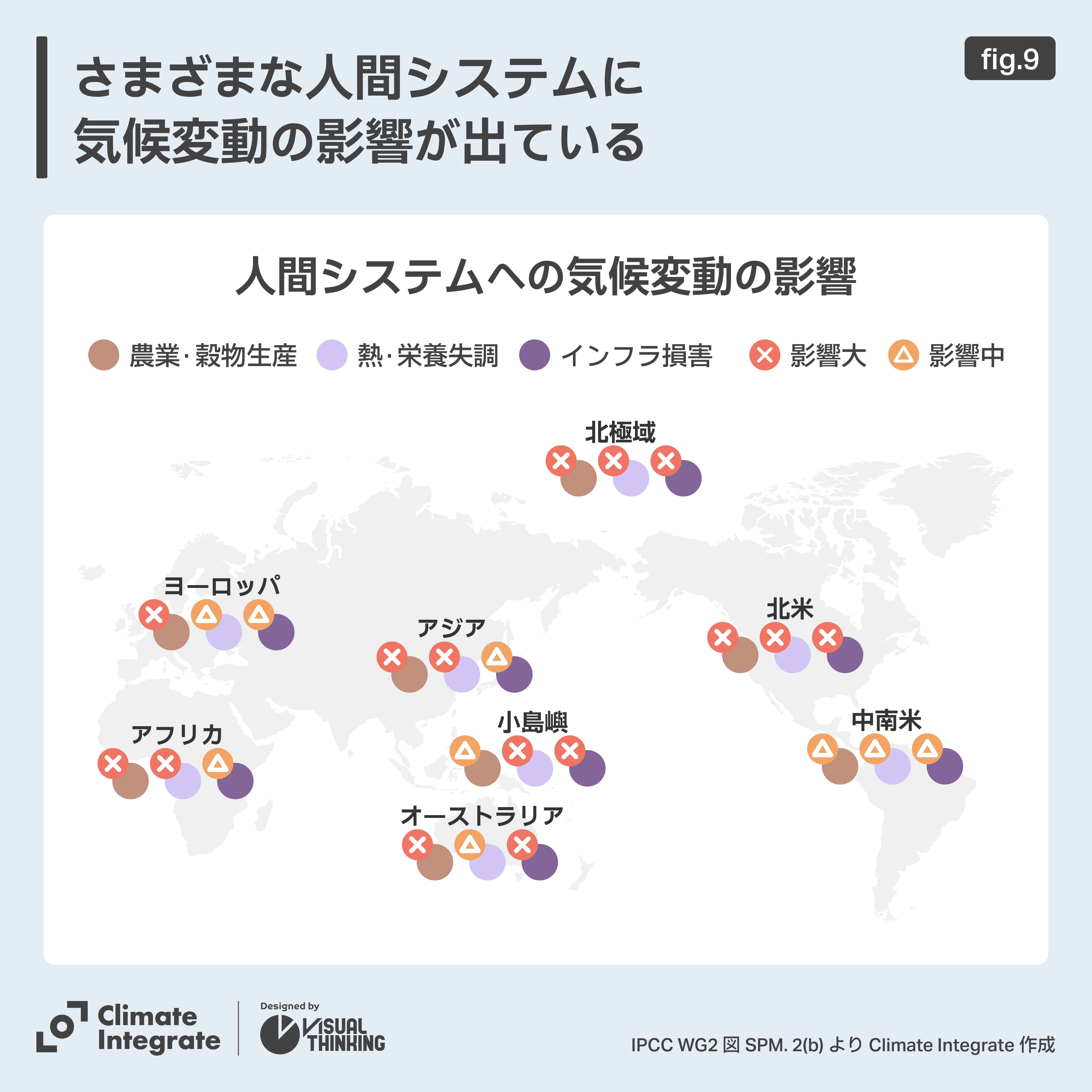
3.3–3.6 Billion People Are Highly Vulnerable to Climate Change
Climate change also has major impacts on people. Extreme heat is already contributing to deaths and illness. The damage from warming varies greatly by region, and approximately 3.3–3.6 billion people worldwide live in contexts that are highly vulnerable to climate change. In regions dependent on snowmelt, 2°C of warming could reduce water availability for agriculture by 20%, while people in sub-Saharan Africa, South Asia, Latin America, and small islands may face increased risks of food insecurity and malnutrition.
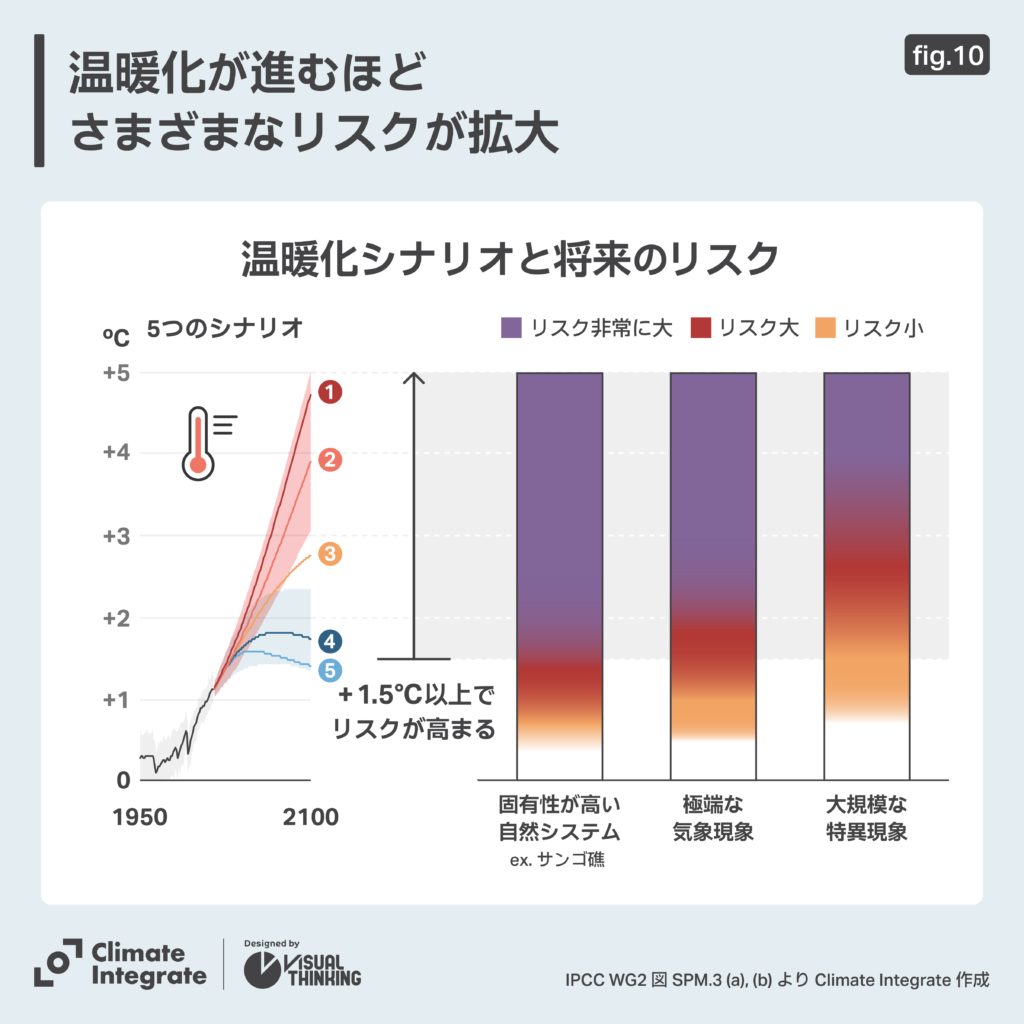
As Warming Increases, Impacts Become More Widespread and Severe
Global warming is approaching 1.5°C, increasing climate-related hazards and risks to ecosystems and people. As warming increases, adverse impacts, losses, and damages become more widespread and severe, while failure to adapt further increases risk.
At 1.5°C of warming, risks to unique and threatened natural systems become very high. Coral reef die-off is occurring faster than previously reported. At 2°C of warming, the risks of extreme weather events such as heat waves and heavy rainfall become very high, and above 3°C, the risk of large-scale, potentially irreversible changes increases substantially.
If warming temporarily exceeds 1.5°C this century, highly vulnerable mountain and polar regions may experience irreversible impacts.
3. Our Choices Ahead
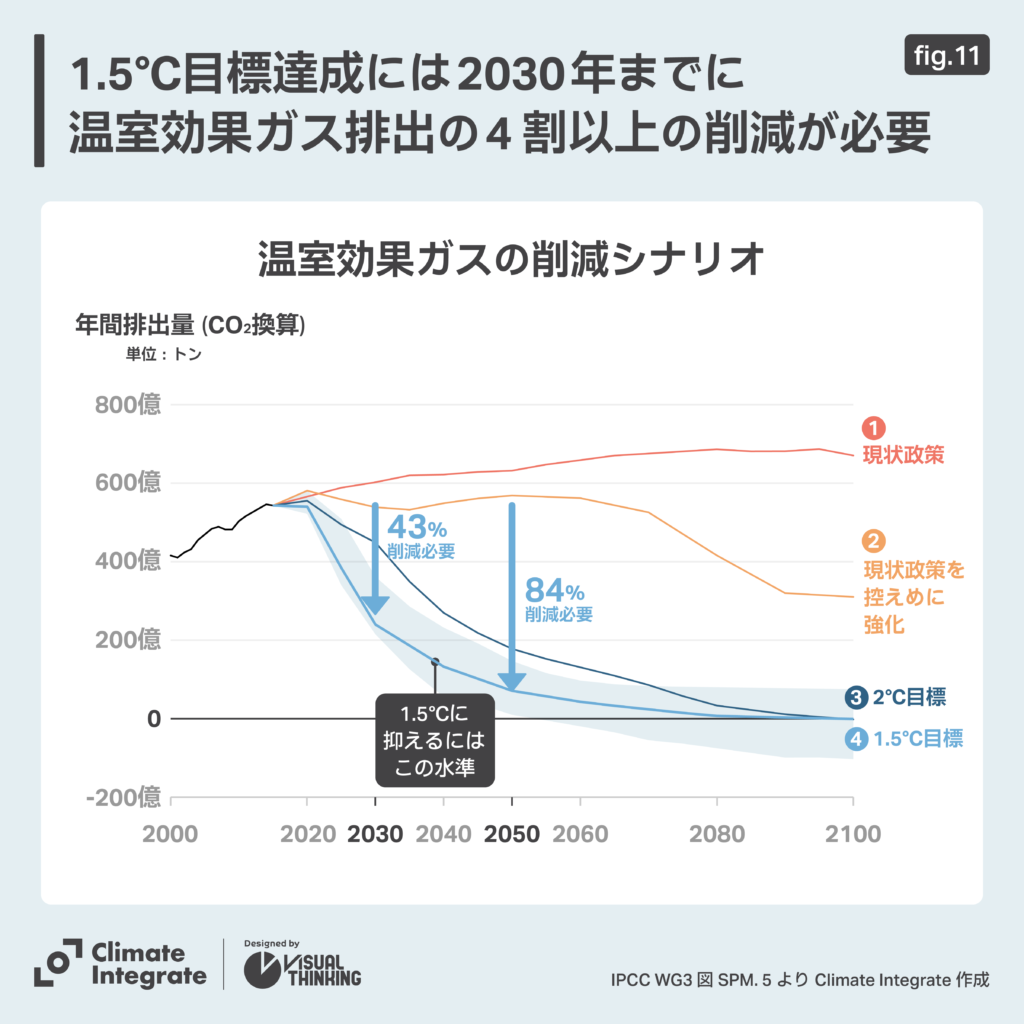
More Than 40% Reduction in GHG Emissions by 2030
To limit warming to 1.5°C, bold and rapid action is needed across all sectors, with global GHG emissions reduced by 43% by 2030 and by 84% by 2050 from 2019 levels. For CO2, emissions need to fall by 48% by 2030 and reach net zero by 2050, relative to 2019 levels.
However, even if countries fully implement the targets and policies in place by the end of 2021, global emissions in 2030 are projected to exceed the level consistent with limiting warming to 1.5°C by 19–26 billion tonnes.
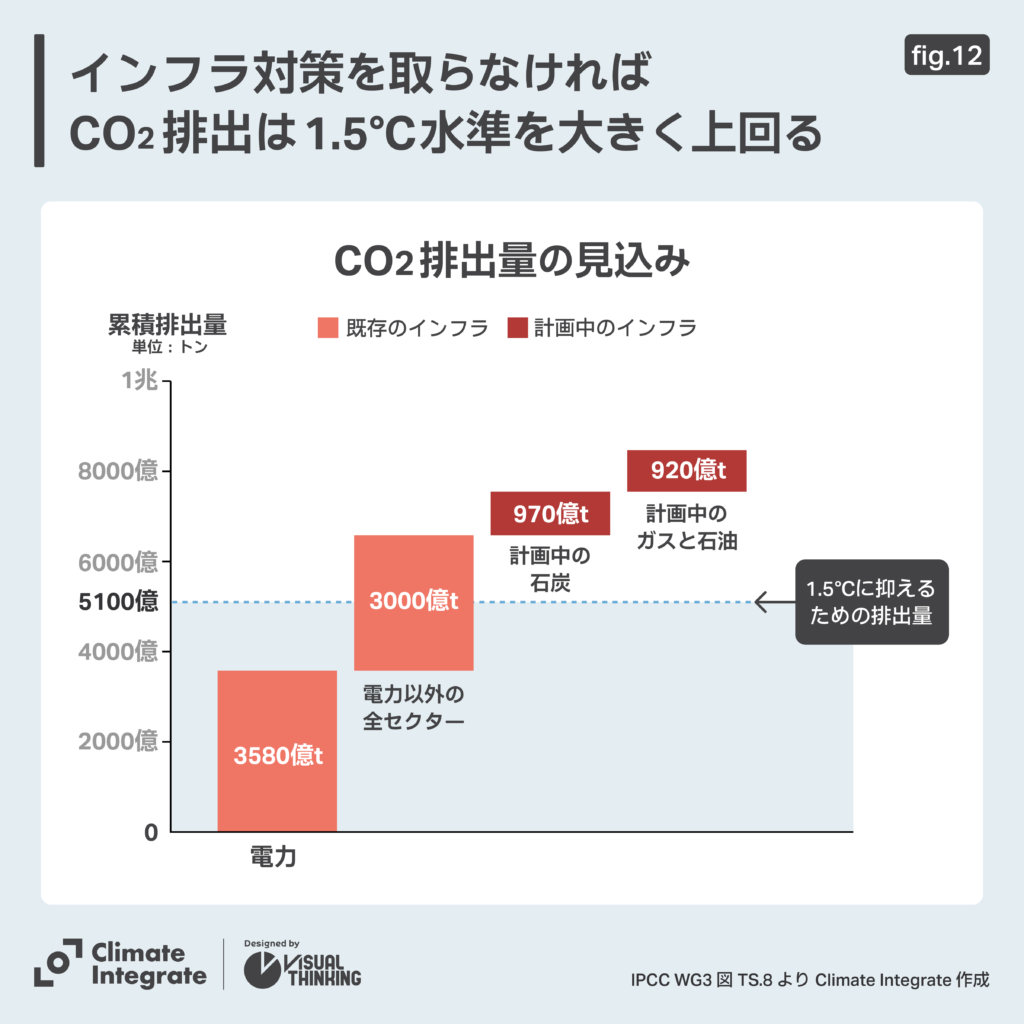
The Key Is Transitioning Away from Fossil Fuel Infrastructure
To limit warming to 1.5°C, cumulative CO2 emissions through 2050 need to remain within about 510 billion tonnes. However, without additional measures, cumulative CO2 emissions from existing fossil fuel infrastructure alone would reach 660 billion tonnes, and including planned infrastructure would raise the total to 850 billion tonnes—far above the level consistent with 1.5°C.
Key measures
therefore include retiring existing coal-fired power plants or reducing their utilization, retrofitting existing facilities with carbon capture and storage (CCS), switching to low-carbon fuels, and canceling new coal projects.
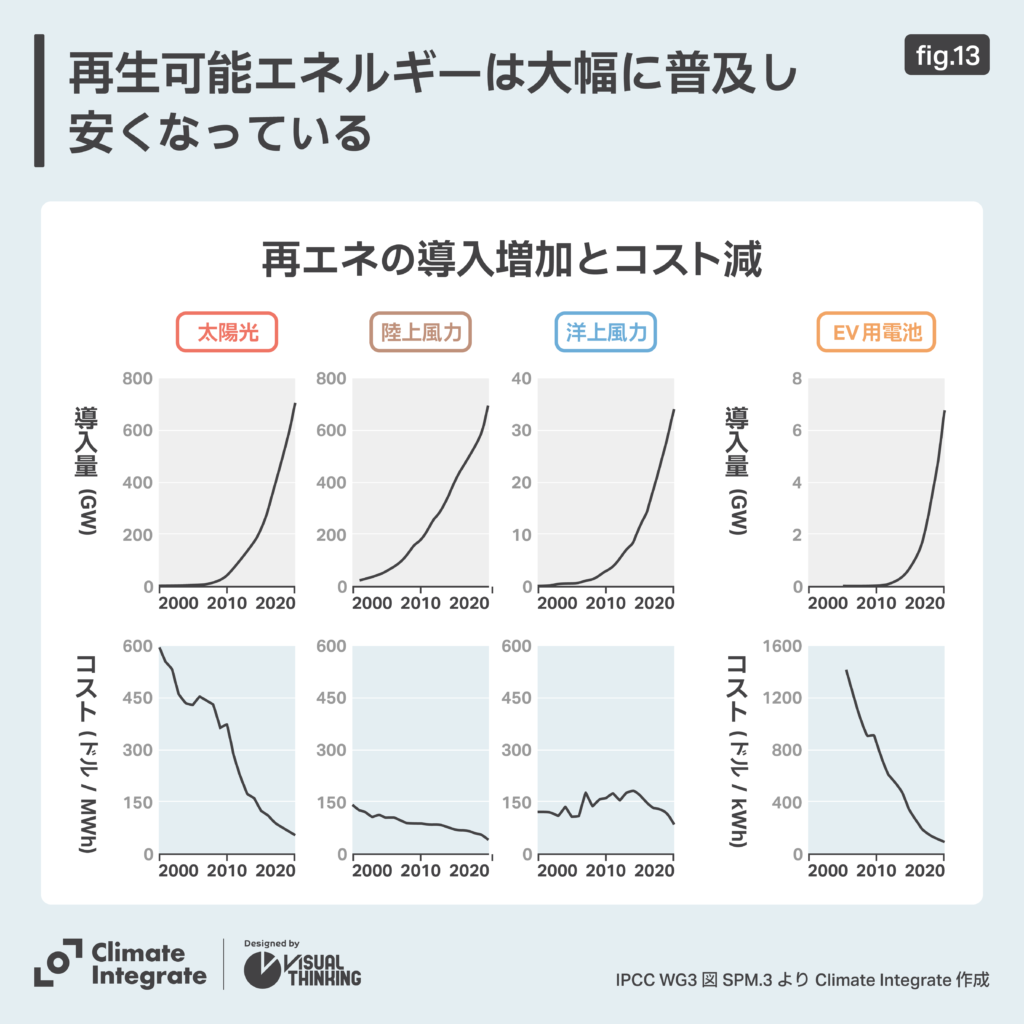
Renewable Energy Costs Have Fallen Sharply
Renewable energy costs have fallen significantly since 2010.
From 2010 to 2019, the cost of solar power fell by 85% and wind power by 55%, making both increasingly competitive with fossil fuel-based power generation in many regions. Lithium-ion battery costs also fell by 85%.
Options for large-scale deployment of renewable energy in the power sector include more flexible power systems, greater integration with other sectors, energy storage, smart grids, demand-side management, sustainable biomass, and hydrogen produced through electrolysis.
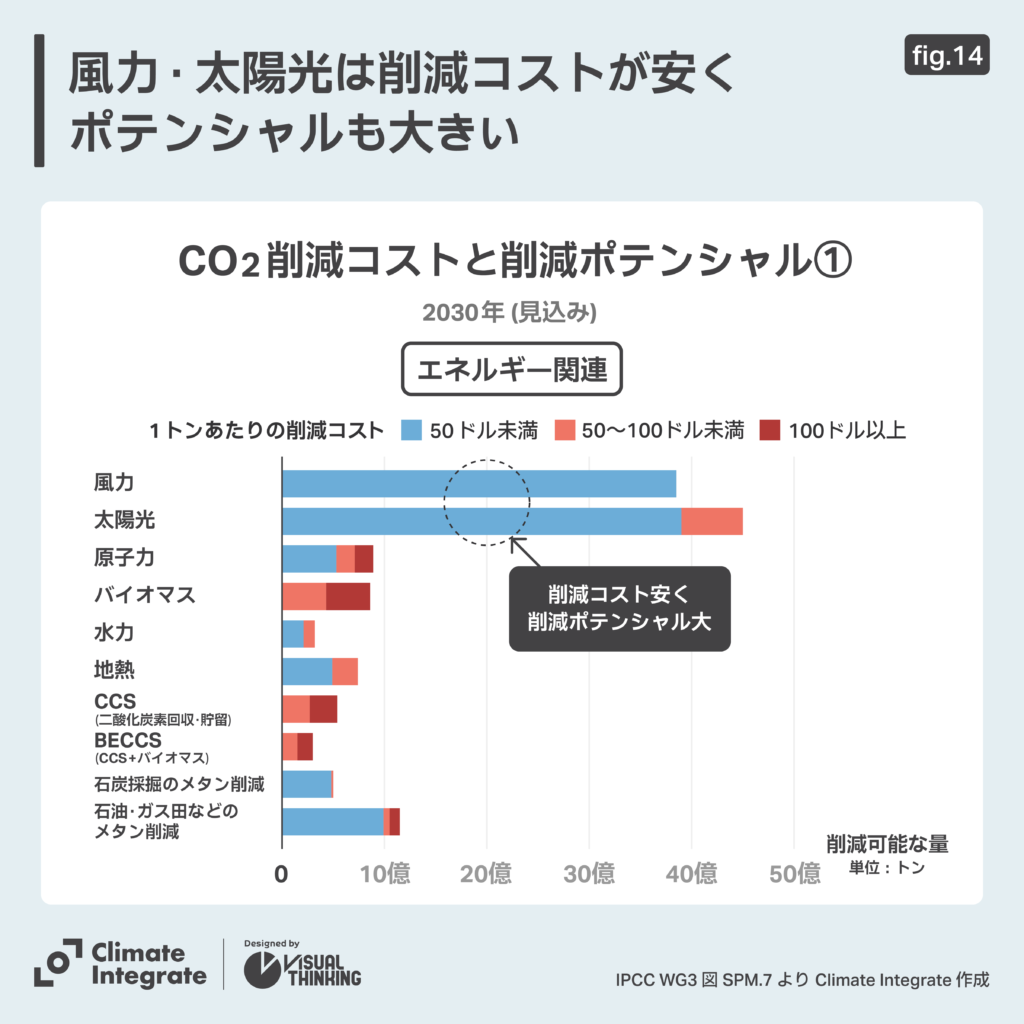
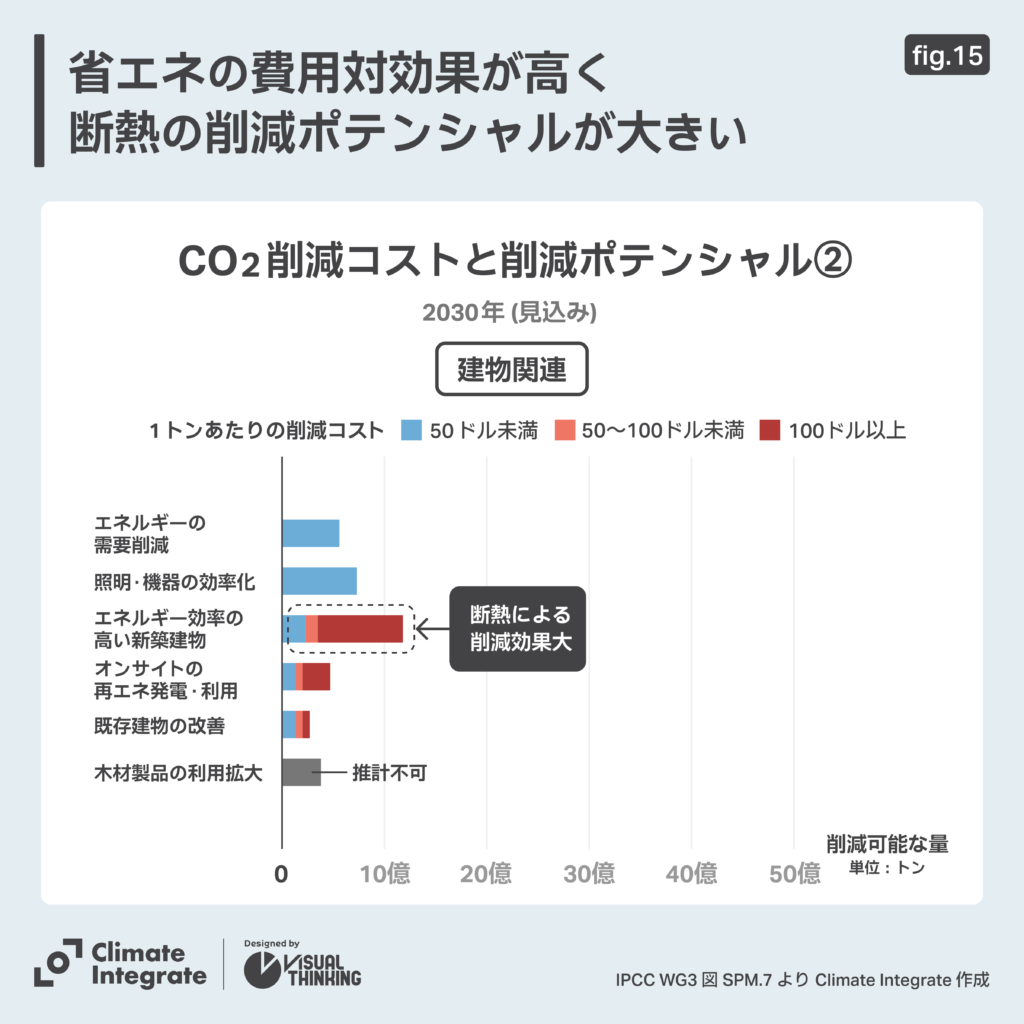
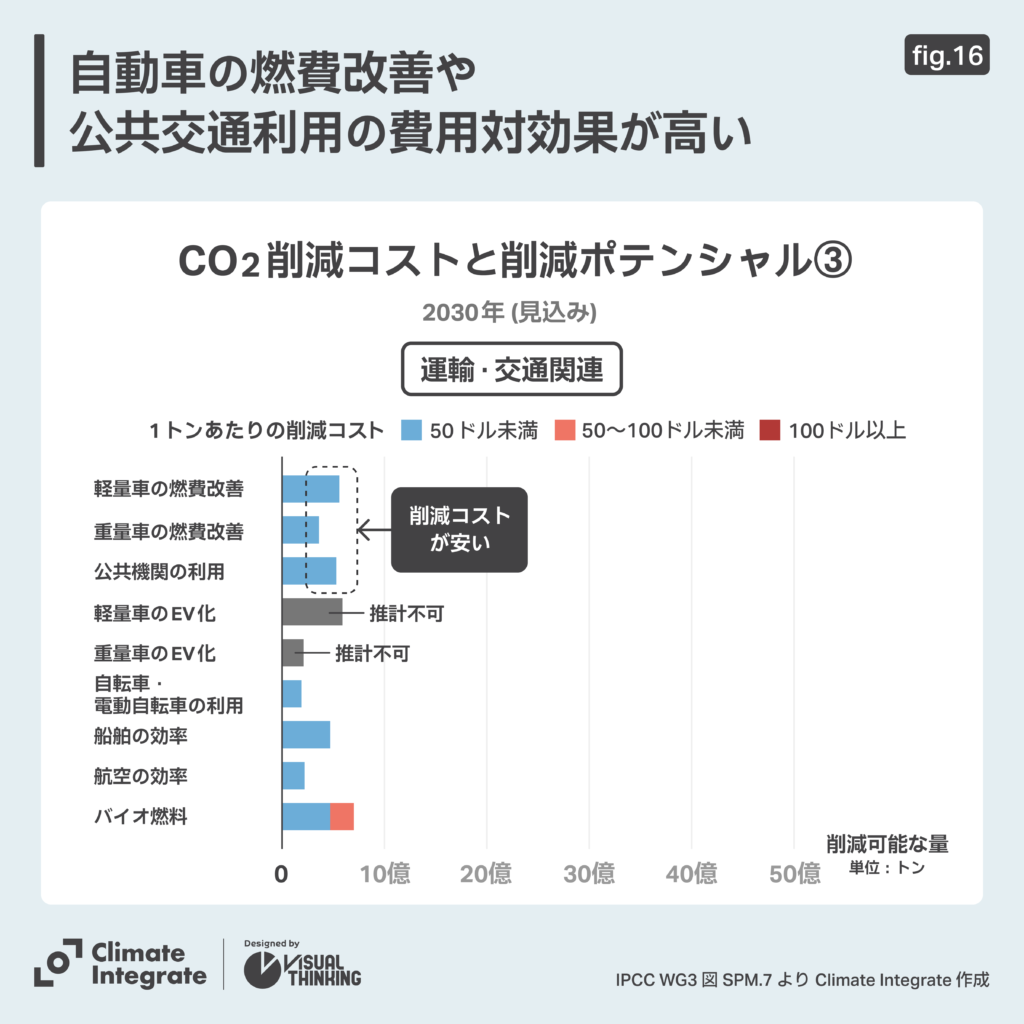
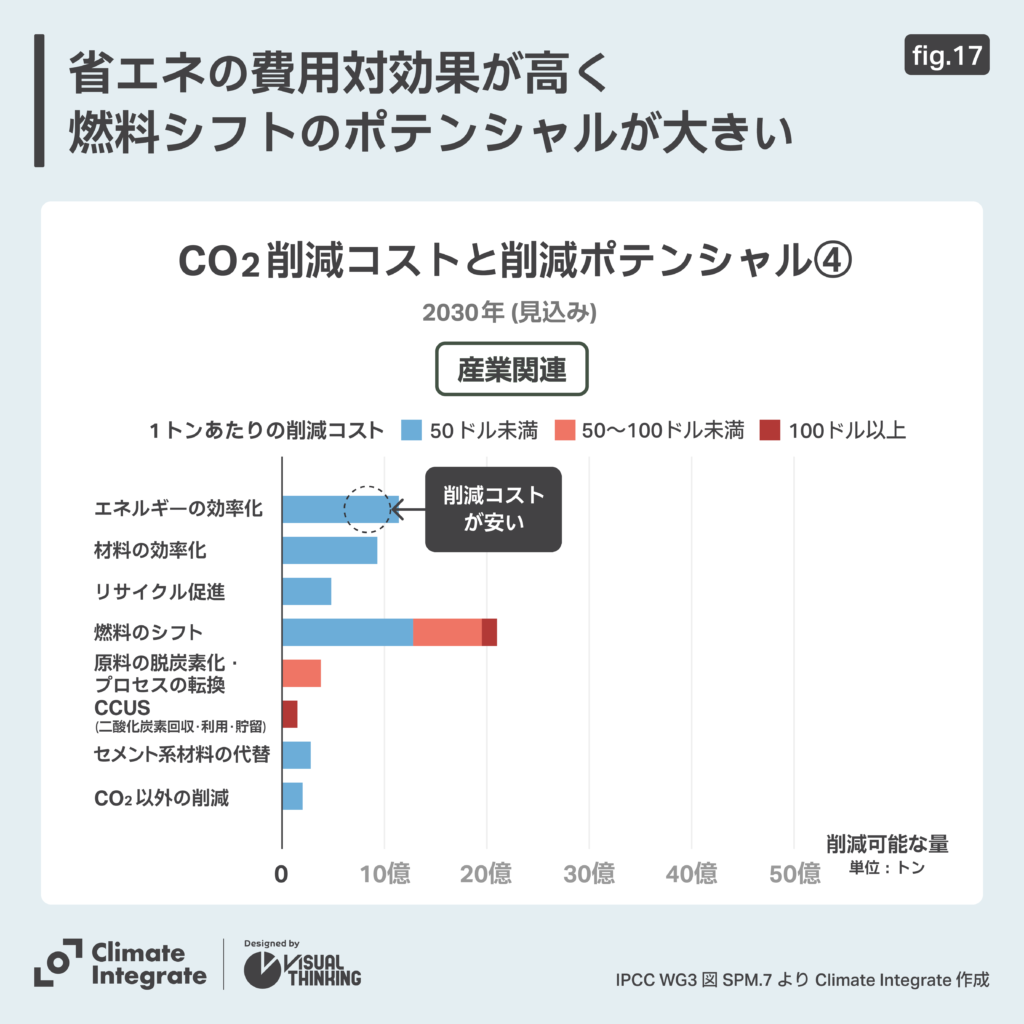
Large Emissions Reductions Are Available at Costs Below $100 per Tonne
Measures costing $100 or less per tonne of CO2 could reduce global emissions by half by 2030 relative to 2019. More than half of this reduction potential is available through measures costing less than $20 per tonne.
In particular, solar and wind power offer large mitigation potential at relatively low cost.
The Potential for Demand-Side Emissions Reductions
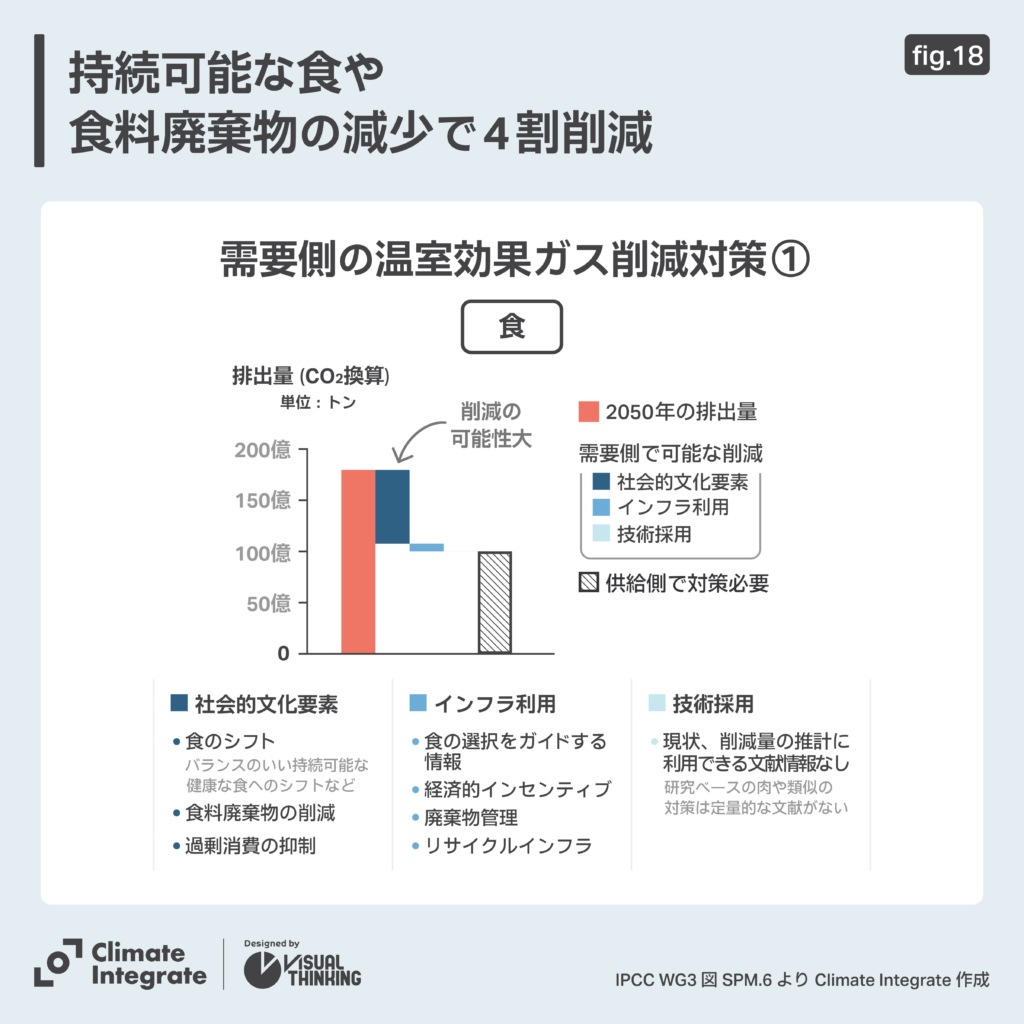
Demand-side measures are also essential for reducing emissions. Currently, the wealthiest 10% of the global population account for 34–45% of household-sector emissions, while the lowest-emitting 50% account for only 13–15%.
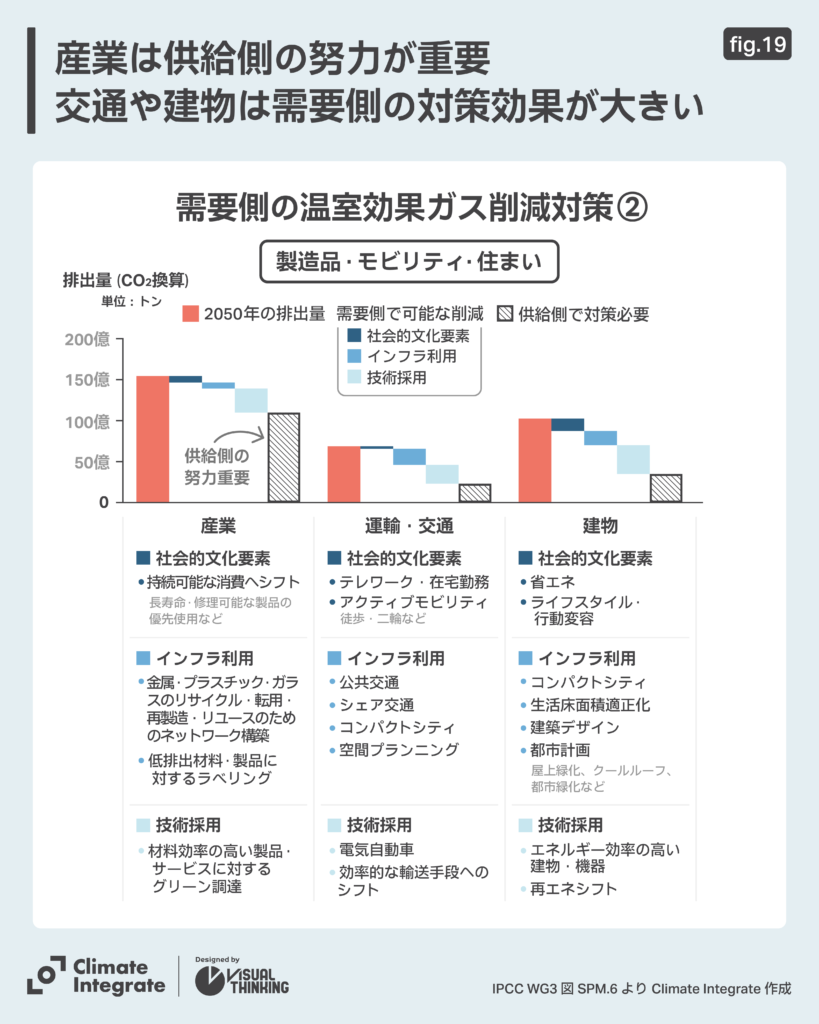
Demand-side measures, including changes in infrastructure use, socio-cultural and behavioral changes, and the adoption of new technologies, could reduce GHG emissions by 40–70% by 2050. However, emissions levels and the reduction potential of demand-side measures vary by sector.
In the food sector, shifts toward balanced, sustainable diets and reductions in food waste could cut emissions by 40%, while improved waste management and recycling infrastructure could deliver a further 7% reduction.
Transport has the greatest demand-side mitigation potential, at 67%. Public transit, shared mobility, and compact urban development could cut emissions by 30%, while shifts to EVs and more efficient modes of transport could deliver reductions of around 50%.
In the buildings sector, demand-side measures could reduce emissions by up to 66%. Energy-efficient buildings and equipment, together with a shift to renewable energy, could deliver reductions of around 50%.
In the industrial sector, measures include greater reuse of metals, plastics, and glass, as well as green procurement and the use of energy-efficient and carbon-neutral materials. However, overall demand-side reductions remain below 30%, underscoring the need to transform production systems themselves.
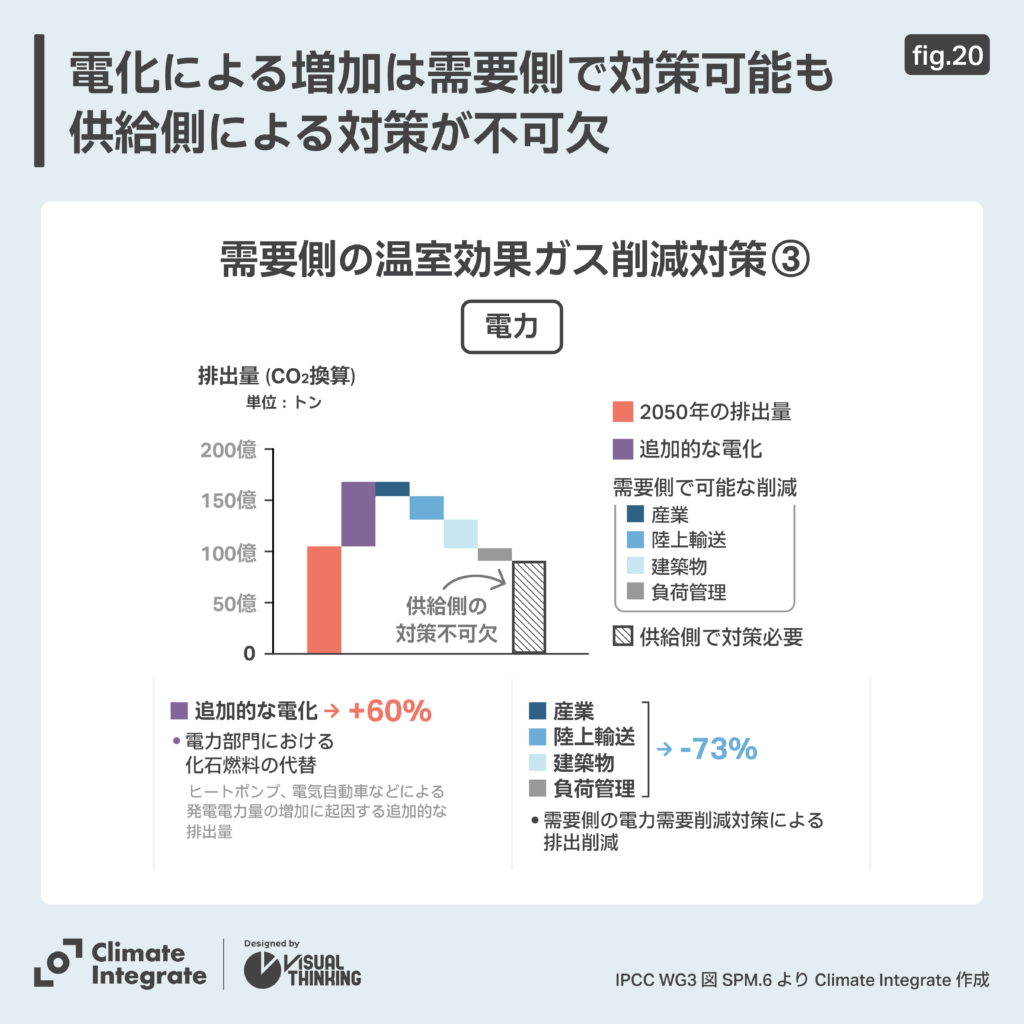
In the power sector, electrification across end-use sectors would increase electricity-related emissions by 60%, but demand-side measures could reduce emissions by 73%, resulting in a net reduction of about 14%. The remaining reductions would need to come from supply-side measures, including deep cuts in emissions from fossil fuel-based power generation.
Carbon Dioxide Removal Will Also Be Needed
Achieving net zero by 2050 will require carbon dioxide removal (CDR) to counterbalance residual emissions that cannot be fully eliminated. Approaches to removing CO2 from the atmosphere include afforestation, soil carbon sequestration, direct air capture (DAC), and ocean fertilization. However, these approaches face feasibility and sustainability challenges that would need to be addressed before large-scale deployment.
Key Enabling Conditions for Climate Action
●Finance
Current financial flows are insufficient to support the climate action needed. By 2030, annual investment needs to reach three to six times current levels to put the world on pathways consistent with limiting warming to 1.5°C or well below 2°C. Clear policy signals from governments and the international community can help mobilize the finance needed for emissions-reduction measures.
●Climate Governance
Climate governance through laws, strategies, and institutions provides a foundation for effective policy implementation, helps integrate policies across sectors, and strengthens coordination between national and local levels. Effective and equitable climate action also requires the participation of civil society, political leaders, businesses, youth, workers, the media, Indigenous peoples, and local communities.
●Regulatory and Economic Instruments
Economic instruments have proven effective in reducing emissions. Applying them more broadly can support deeper reductions and spur innovation.
●International Cooperation
International cooperation is essential to achieving climate goals. International agreements have helped encourage stronger action by countries.
Heeding the Message from Science
Bold, Rapid Action Is Needed to Limit Warming to 1.5°C
Human activities are driving global warming, while extreme weather events such as heat waves, floods, and droughts are already occurring around the world. Without stronger action, terrestrial, freshwater, coastal, and marine ecosystems will face increasingly severe impacts, climate-resilient development will become more difficult, and vulnerable people and communities will be hit hardest.
To limit future impacts, mitigation (reducing GHG emissions) and adaptation to the adverse effects of warming must be pursued together.
Reducing global GHG emissions by 43% by 2030 and 84% by 2050 would put the world on a pathway consistent with limiting warming to 1.5°C and minimizing its impacts.
Current national efforts worldwide remain far from sufficient. The good news is that renewable energy costs have fallen sharply, creating greater potential for widespread deployment, while measures across food, industry, transport, buildings, and power could reduce emissions by 40–70%.
The actions we take over the next decade will determine whether warming can be limited to 1.5°C and will shape the climate for generations to come. Governments, civil society, businesses, and other stakeholders will need to work together to shape the kind of society we want and drive the necessary changes. Now is the time for bold and rapid climate action.
What Is the Intergovernmental Panel on Climate Change (IPCC)?
The IPCC was established in 1988 by the World Meteorological Organization (WMO) and the United Nations Environment Programme (UNEP) to assess the latest scientific knowledge on climate change in the natural and social sciences. In 2007, it was awarded the Nobel Peace Prize for raising global awareness of human-induced climate change and helping lay the foundation for action. Since publishing its First Assessment Report in 1990, the IPCC has produced assessment reports roughly every five to seven years, comprising a Working Group I report (the physical science basis), a Working Group II report (impacts, adaptation, and vulnerability), a Working Group III report (mitigation), and a Synthesis Report.
References
Intergovernmental Panel on Climate Change (IPCC)
• Climate Change 2021: The Physical Science Basis, Working Group I, 6 August 2021
• Climate Change 2022: Impacts, Adaptation and Vulnerability, Working Group II, 27 February 2022
• Climate Change 2022: Mitigation of Climate Change, Working Group III, 4 April 2022
IPCC Sixth Assessment Report (Japanese translations)
• Working Group I Summary for Policymakers (SPM)
• Working Group II Summary for Policymakers (SPM)
• Working Group III Summary for Policymakers (SPM)
Overview (Ministry of the Environment) Briefing materials (National Institute for Environmental Studies)
Written by: Kimiko Hirata, Atsuko Kawaguchi, Chisaki Watanabe
Figures: Jun Sakurada (VISUALTHINKING)