


Energy Explained
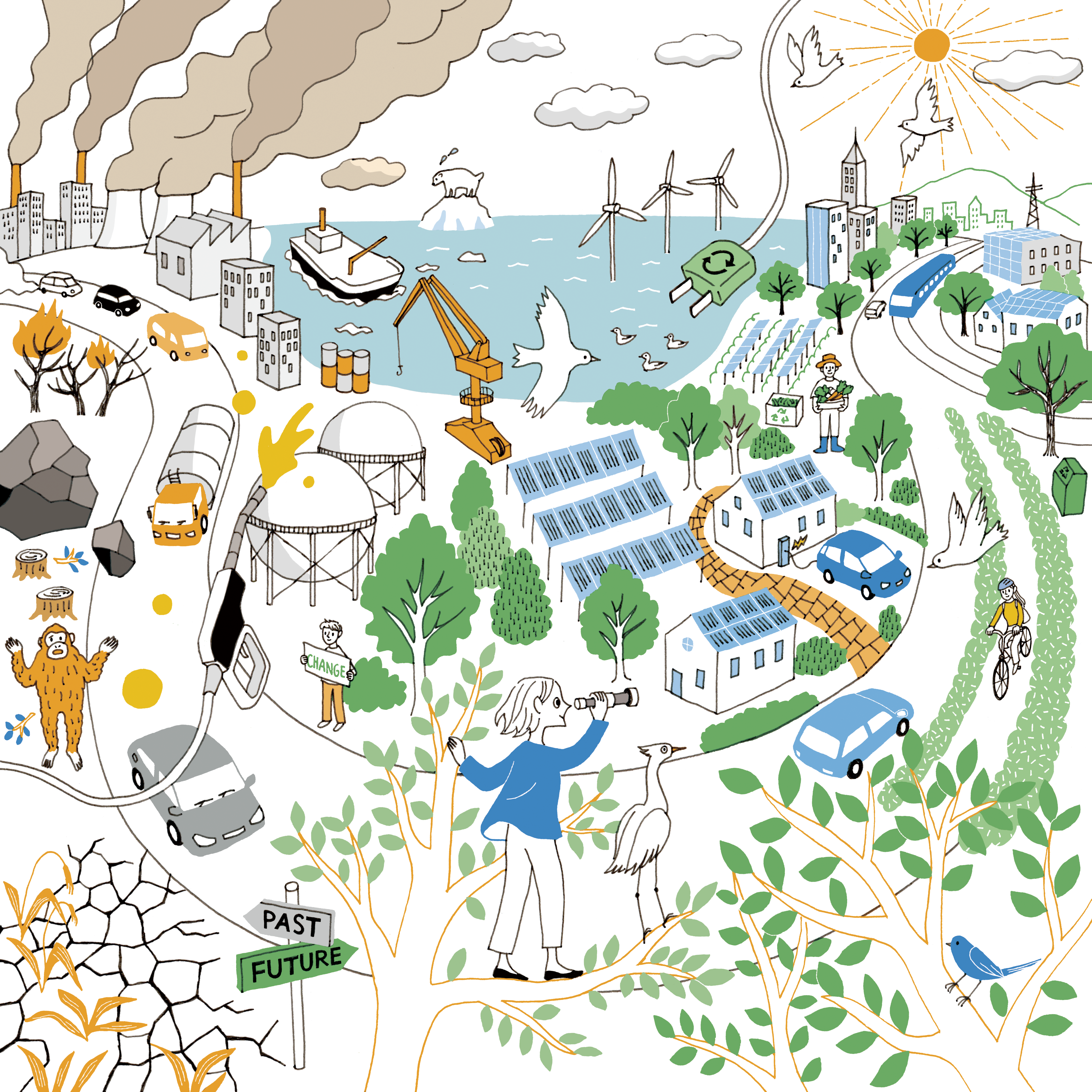
Energy that supports society
Smartphones, air conditioning, microwaves, fridges, hair dryers, cars, AI – these all depend on energy, and we would struggle without it.
Energy is also essential to national stability and economic activity. That is why competition over energy resources has repeatedly contributed to conflict and war. Instability in the Middle East can lead to major disruptions around the world, as seen in past oil shocks and more recent increases in fuel costs. These events may seem far away, but their effects quickly reach our daily lives through impacts such as higher utility bills and other costs.
Energy is one of the foundations of society.
Fossil fuels powered modern civilization – and now drive climate change
Humanity has achieved dramatic change by acquiring means to use fossil fuels – coal, oil, and natural gas – as sources of energy. Industry expanded in scale, transport and production became faster, and international trade grew.
But this progress also helped cause climate change. The burning of fossil fuels releases large quantities of carbon dioxide (CO₂).
When we see the extreme heat events, torrential rain, and other climate-related disasters of recent years, it can feel as though there is little we can do. But if we look at what is driving climate change, it becomes clear why we also need to look closely at the way we produce and use energy.
Some scientists and oil companies had recognized since the 1960s that greenhouse gases (GHGs) such as CO₂ could cause global warming. International action, however, did not begin in earnest until the 1990s. Since then, countries have worked through the United Nations to develop global rules for reducing GHG emissions and adapting to climate change. In 2015, the Paris Agreement was adopted, providing a global framework for climate action. Most recently, in 2026, the 31st Conference of the Parties (COP31) to the U.N. Framework Convention on Climate Change (UNFCCC) was held in Türkiye.
From fossil fuels to renewable energy
Because the use of fossil fuels is the largest cause of climate change, reducing that use is the most effective way to address it. That may sound difficult, because so much of today’s infrastructure – including roads, power plants, and factories – was built around the assumption that fossil fuels would continue to be used.
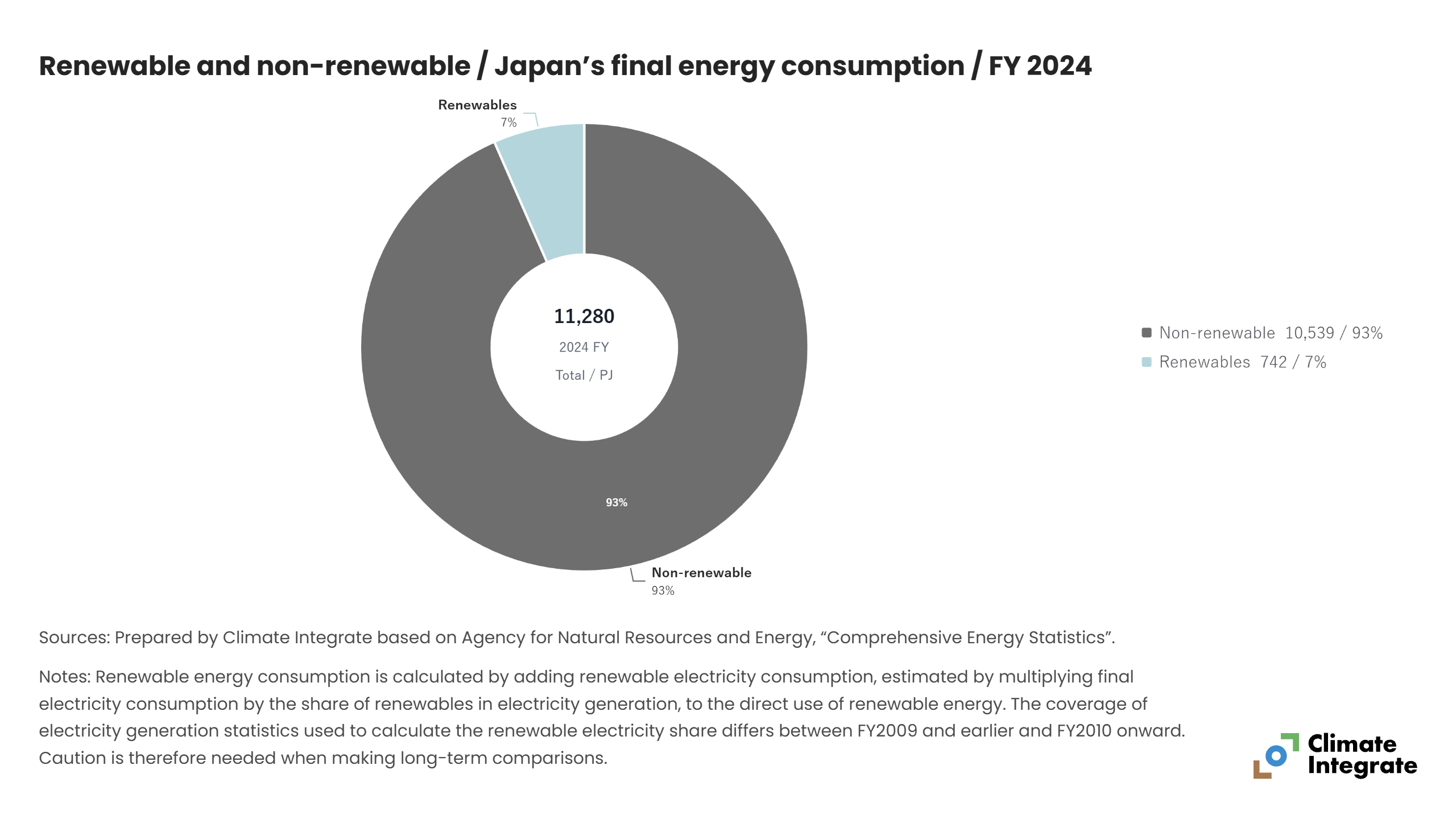
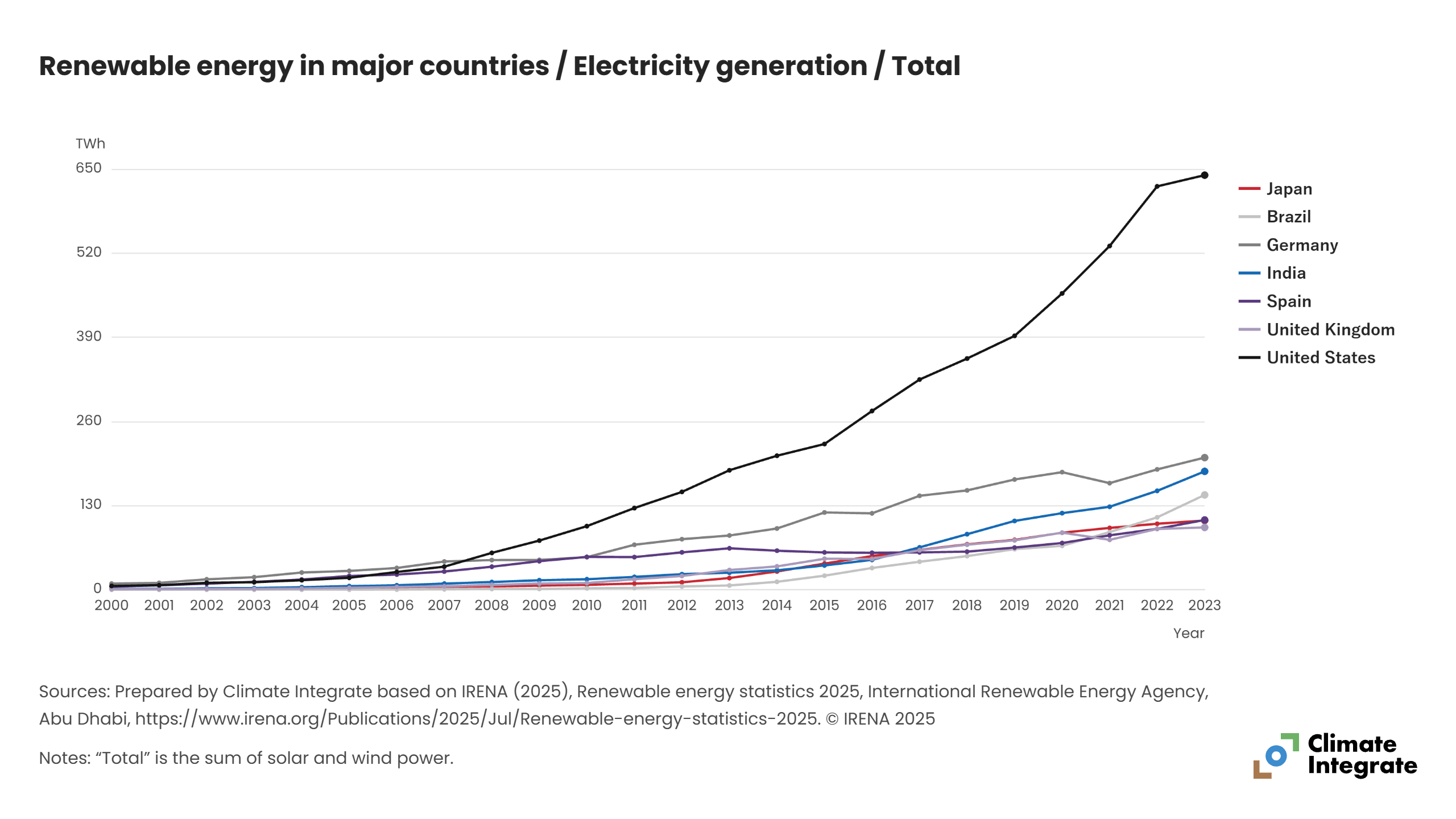
But alternatives are already available. Renewable energy from the sun, wind, and naturally occurring heat can replace fossil fuels in many applications. Unlike fossil fuels, which Japan imports almost 100% from overseas, solar and wind energy are available close to where they are needed and can be produced domestically. Japan is fortunate to have abundant renewable energy resources, including solar, wind, and geothermal energy, giving it substantial potential to meet its energy needs.
The Japanese government has also set out a policy of reducing fossil fuel use, expanding renewable energy, and making renewables a major source of electricity, as part of efforts to cut GHG emissions and adapt to climate change.
Japan’s reliance on fossil fuels is still very high compared with many other countries, and its transition to renewable energy has been relatively slow. As a result, its energy self-sufficiency remains low. But by accelerating the shift to renewable energy, Japan can both reduce the impacts of climate change and strengthen its energy self-reliance.
From our Data Explorer
An era of energy choice
The spread of generative AI is expected to increase electricity demand. At the same time, instability in the Middle East is prompting efforts to diversify fossil fuel supplies. As a response, Japan promotes new fossil fuel development and new fossil-fuel power plants, without sufficient consideration of their climate impacts. Is this the wise and right choice of energy resources in today’s world?
For a long time, the use of fossil fuels was simply taken for granted, and there is no question that they have brought enormous benefits.
But now it is time to explore new options.
We have already entered an era in which we can choose and produce energy that is sustainable and reliable.
Written by Kimiko Hirata
Illustration by Saori Otsuka